

 Gospel Preachers TV
How Antioxidants Support GCC Manufacturing Innovation
Across the Gulf Cooperation Council (GCC), manufacturers are increasingly focusing on product quality, longer shelf life, and sustainable production processes. Antioxidants have become an essential component in industries ranging from food and beverages to plastics, rubber, cosmetics, and pharmaceuticals. Their ability to prevent oxidation helps maintain product stability, improve durability, and reduce waste, making them valuable across multiple industrial applications.
A defining aspect of the GCC Antioxidants Market is the growing emphasis on advanced formulations that support both industrial performance and regulatory compliance. As outlined in regional antioxidant demand analysis, businesses are increasingly investing in specialty antioxidant solutions that improve product consistency while meeting evolving environmental and quality standards. This shift reflects broader industrial modernization efforts taking place across GCC economies.
The increasing diversification of regional industries is creating new opportunities for antioxidant applications. Beyond traditional manufacturing, demand is expanding into healthcare products, personal care formulations, food preservation technologies, and advanced polymer production. Companies are also focusing on improving supply chain resilience by sourcing higher-quality raw materials and adopting more efficient manufacturing techniques.
Industrial Expansion Is Driving Wider Adoption
Rapid industrial development remains one of the most significant contributors to antioxidant consumption throughout the GCC. Governments continue investing in downstream manufacturing, petrochemicals, packaging, and specialty chemicals as part of broader economic diversification initiatives. Since oxidation can significantly affect material performance, manufacturers increasingly rely on antioxidant additives to enhance product quality and extend operational lifespan.
In polymer manufacturing, antioxidants help protect plastics from thermal degradation during processing and long-term use. Similarly, rubber manufacturers use these additives to improve resistance against heat, oxygen, and environmental stress. Such applications contribute to better-performing industrial products while reducing maintenance and replacement costs.
Food Safety and Shelf-Life Requirements Continue to Evolve
Changing consumer lifestyles have accelerated demand for packaged foods, ready-to-eat meals, and convenience products throughout GCC countries. This transition has increased the importance of food preservation technologies that help maintain freshness without compromising quality. Antioxidants play a key role in preventing oxidation of fats and oils, preserving flavor, texture, and nutritional value during storage and transportation.
Manufacturers are also responding to growing consumer awareness regarding ingredient quality by exploring cleaner formulations and optimizing antioxidant usage within regulatory guidelines. These developments encourage continuous innovation across the regional food processing ecosystem. According to industry observations published by the Food and Agriculture Organization (FAO), minimizing food losses through improved preservation technologies remains an important priority for sustainable food systems.
Innovation Supports Sustainable Manufacturing Goals
Sustainability has become an important strategic objective for industrial producers across the GCC. Companies are evaluating production methods that reduce waste, improve resource efficiency, and enhance product longevity. Antioxidants contribute by protecting materials against premature degradation, reducing replacement frequency and extending usable product life.
Research efforts are also exploring naturally derived antioxidant solutions that align with changing environmental expectations. As manufacturers seek alternatives to conventional chemical additives, innovation continues in botanical extracts, renewable raw materials, and cleaner production technologies. These developments support both environmental objectives and evolving customer preferences.
Automotive and Construction Industries Create New Opportunities
The GCC continues investing heavily in infrastructure development, transportation networks, and industrial facilities. These projects increase demand for durable construction materials, engineered plastics, coatings, lubricants, and automotive components—all of which benefit from antioxidant protection.
Vehicle manufacturers and component suppliers rely on antioxidants to improve thermal stability and resistance against environmental conditions common across the region, including high temperatures and intense sunlight. Enhanced material durability contributes to longer service life, improved safety, and lower maintenance requirements for industrial and consumer applications.
Research and Quality Standards Shape Future Development
As industrial applications become more sophisticated, quality assurance and regulatory compliance are receiving greater attention. Manufacturers increasingly collaborate with research institutions and technology providers to develop customized antioxidant formulations tailored for specific applications. Continuous testing helps ensure product stability while supporting international quality standards. The World Health Organization (WHO) also emphasizes the importance of maintaining quality and safety across products used within healthcare and food-related industries.
Digital manufacturing technologies are further improving process control by enabling better monitoring of formulation consistency and production efficiency. These advancements allow companies to optimize additive performance while reducing operational variability across manufacturing facilities.
Conclusion
The GCC's industrial transformation continues to strengthen demand for advanced antioxidant technologies across multiple sectors. From supporting food preservation and polymer stability to enabling more sustainable manufacturing practices, antioxidants remain an essential component of modern production systems. As industries prioritize efficiency, quality, and environmental responsibility, innovation in antioxidant formulations is expected to remain an important area of technological development. Ongoing research, improved manufacturing capabilities, and evolving quality standards will continue shaping the future of antioxidant applications across the region.
Categories
Read More
Mon gazon artificiel de balcon tient encore très bien après plusieurs années dehors, ce qui m'étonne quand je repense à mes débuts. Je faisais tout de travers, et c'est en lisant les conseils de Maison Jardin Bricolage que j'ai compris où je me trompais. Depuis, je le nettoie quand il en a besoin, et je ne sors plus la machine à pression....

In a city defined by boundless creativity and dynamic ambition, personal style is the ultimate form of self-expression. Amidst the historic brick and modern glass of Downtown LA, a sartorial renaissance is quietly redefining men’s fashion. Gone are the days of off-the-rack compromises; today’s discerning gentleman understands that true elegance begins with premium custom tailoring...

Mon premier client en gestion des talents était une PME de quarante salariés, et son problème tenait dans une phrase : les entretiens annuels vivaient dans des tableurs éparpillés sur trois ordinateurs différents. En cherchant des repères sur Ewisoft, j'ai surtout compris à quel point l'offre était pensée pour des...

Making Property Communication More Convenient Communication plays an important role in maintaining a secure and organized property. Homeowners, apartment residents, and business operators often need convenient ways to identify visitors and communicate with people at entrances. Modern intercom technology offers practical solutions for managing these interactions without always requiring...

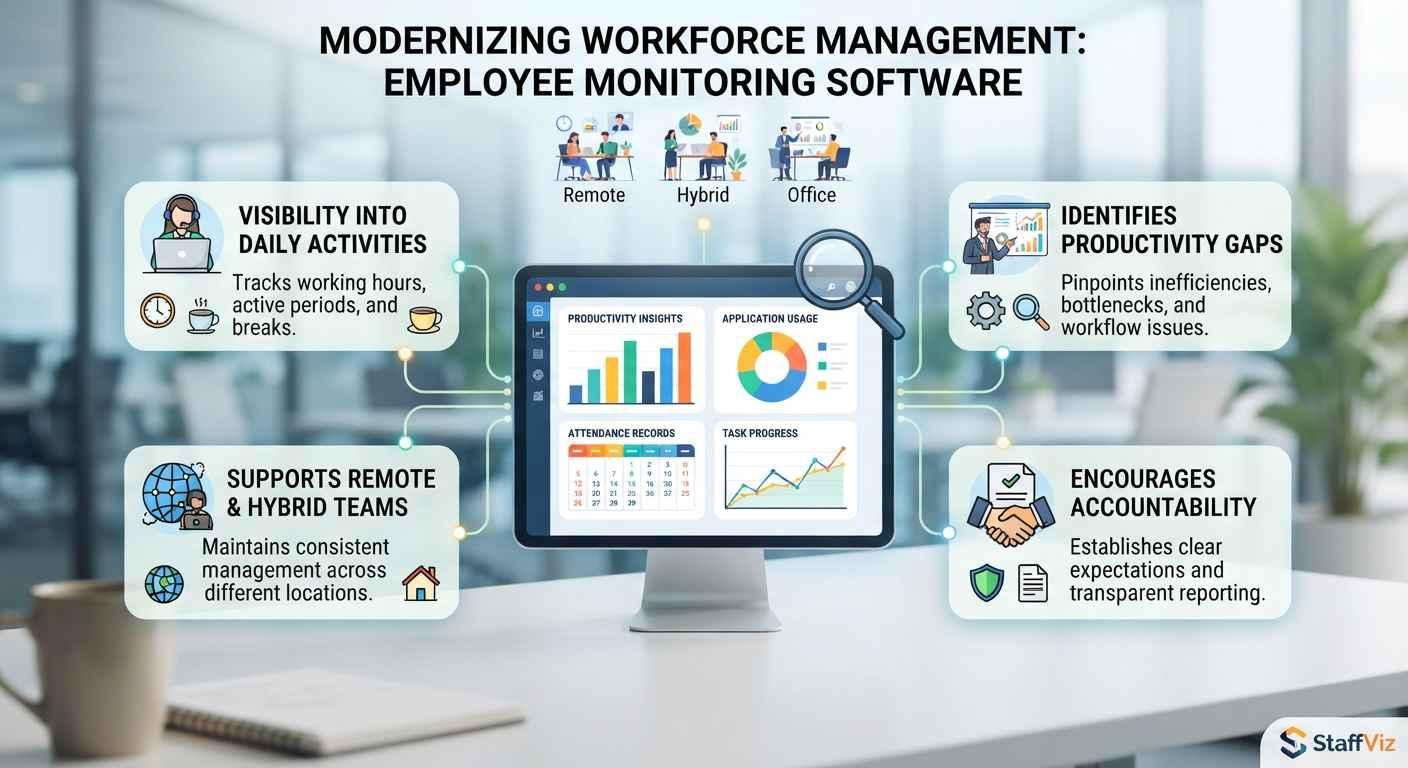
Managing employee productivity is becoming increasingly challenging as businesses adopt remote, hybrid, and traditional workplace arrangements. Managers need a reliable way to understand how work gets completed, identify productivity gaps, and ensure employees remain focused on their responsibilities. However, constantly checking on employees can create unnecessary pressure and reduce workplace...