


 Gospel Preachers TV
Getting Back on the Road After a Tire Problem
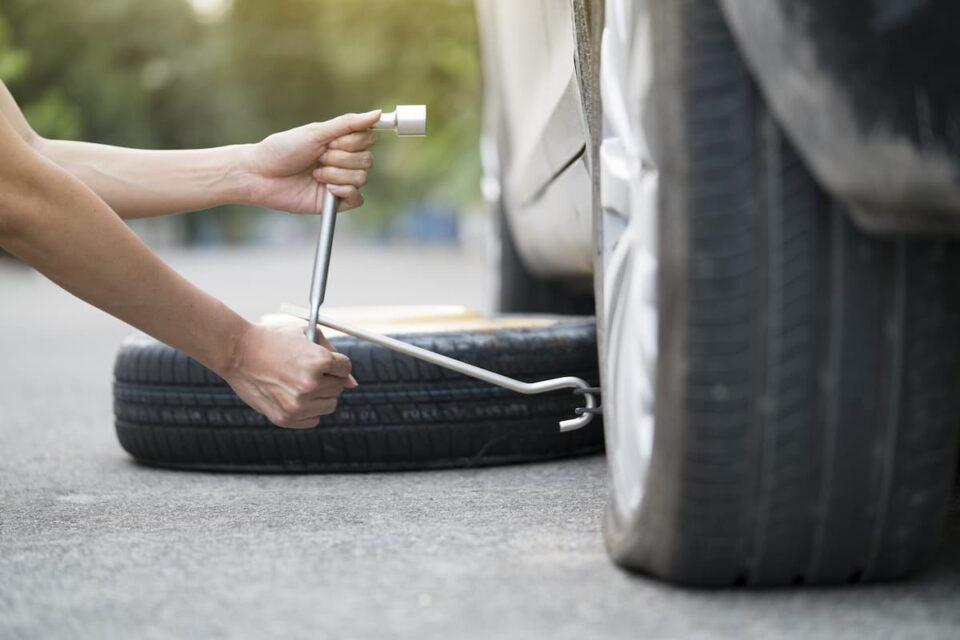
Understanding Why Flat Tires Happen
A flat tire can interrupt a trip without warning and leave drivers unsure about what to do next. Sharp objects, damaged road surfaces, worn tread, valve problems, and insufficient air pressure are common causes. Even a relatively small puncture can lead to a loss of pressure that makes driving unsafe. Recognizing the problem early and responding carefully can help prevent additional damage to the wheel, tire, and surrounding vehicle components.
Getting Help When a Tire Goes Flat
Drivers who experience a tire problem in an unfamiliar area may not have the equipment or experience needed to replace it safely. Professional Car Flat Tire Change Service Baltimore MD can provide roadside assistance when a vehicle cannot continue because of a damaged or deflated tire. A trained technician can assess the situation, determine whether the tire needs replacement, and help restore the vehicle's mobility. Having access to assistance can reduce stress and make an unexpected roadside problem easier to manage.
Finding a Safe Place to Stop
Safety should always come before attempting any tire-related work. If a tire loses pressure while driving, reduce speed gradually and avoid sudden braking or sharp steering movements. Move toward a level location away from moving traffic whenever possible. Parking lots, wide shoulders, and other safe stopping areas may provide better conditions than narrow roads or busy intersections. Once stopped, activate hazard lights and remain aware of nearby vehicles and road activity.
Recognizing Signs of Tire Damage
Some tire problems develop gradually, while others happen suddenly. A vehicle may begin pulling to one side, producing unusual vibrations, or responding differently during steering. Drivers may also notice a warning light from the tire pressure monitoring system. Visible punctures, cuts, bulges, and flattened sidewalls are additional signs that a tire requires attention. Continuing to drive on a damaged tire can increase the risk of losing control and may cause damage to the wheel.
Understanding the Tire Replacement Process
Changing a tire involves more than removing a damaged wheel and installing another one. The vehicle must be positioned securely, and the correct tools and replacement equipment must be available. The technician typically loosens the wheel fasteners, raises the vehicle using an appropriate lifting point, removes the damaged wheel, and installs the spare or replacement tire. The fasteners are then tightened properly, and the vehicle is lowered carefully before the final checks are completed.
Choosing the Correct Replacement Tire
A replacement tire should match the vehicle's specifications and driving requirements. Important details include tire size, load rating, speed rating, and compatibility with the existing wheel setup. The owner's manual or vehicle information label can help identify the correct specifications. Drivers using temporary spare tires should also follow the manufacturer's speed and distance limitations. Installing an unsuitable tire may affect handling, braking, and overall vehicle performance, so compatibility should never be overlooked.
Knowing When Towing Is Necessary
Not every roadside tire problem can be resolved with a simple wheel change. A vehicle may have multiple damaged tires, a broken wheel, suspension problems, or damage that makes lifting it unsafe. In these situations, Towing Company Baltimore MD assistance can help transport the vehicle to a suitable repair facility. Towing may also be necessary when there is no safe place to complete roadside work or when the required replacement equipment is unavailable.
Checking the Vehicle After the Change
After a tire has been replaced, a few checks can help confirm that the vehicle is ready for the next part of the journey. The installed tire should have the appropriate inflation pressure, and the wheel fasteners should be secured according to the vehicle manufacturer's specifications. Drivers should also check that the spare tire and tools have been stored properly. If the vehicle continues to vibrate, pull to one side, or display a warning, professional inspection may be necessary.
Preventing Future Tire Emergencies
Regular tire maintenance can reduce the chances of experiencing an unexpected flat. Checking air pressure according to the manufacturer's recommendations helps prevent problems caused by underinflation or overinflation. Drivers should also inspect tread depth and look for cracks, uneven wear, embedded objects, or sidewall damage. Rotating tires at recommended intervals can support more even wear. Keeping a suitable spare tire, jack, and wheel wrench in the vehicle is another useful preparation.
Staying Prepared for Unexpected Roadside Problems
A flat tire can happen during a short local drive or a longer journey, but preparation makes the situation easier to handle. Knowing how to recognize tire damage, finding a safe stopping location, and understanding when professional assistance is needed can help drivers make better decisions. Routine inspections and proper tire care also support safer vehicle operation. When a problem occurs, choosing the appropriate roadside solution helps reduce unnecessary risks and gets the vehicle moving again when conditions allow.
Categorieën
Read More
Quand j'ai ouvert le dossier de rénovation de mon logement social, je pensais en avoir pour une soirée. J'ai vite compris en lisant Docu Climat que la partie administrative prend souvent plus de temps que les travaux eux-mêmes. Et pour un logement social, rien ne se fait sans le bailleur. Le montage commence par un rendez-vous avec le gestionnaire. C'est lui qui dit ce qui...

The Chelating Agents Market is covered by Business Market Insights with 2025 as the base year and 2026–2033 as the forecast period. The public material captured for this batch did not expose all three headline values required for a verified numerical opening, so no market-size figure or CAGR is inferred. Senior management should treat this market as a portfolio-allocation problem. The...

Winter fashion does not have to be complicated to look good. The best casual winter outfits combine comfort, versatility, and timeless pieces that remain fashionable year after year. From classic denim and cozy hoodies to leather jackets and comfortable sneakers, a few wardrobe essentials can help you create stylish looks for everyday activities. Whether you are heading to college, meeting...

Recenzji kasyn w sieci jest więcej niż samych kasyn. Część z nich to przepisane materiały reklamowe. Kilka cech pozwala szybko odróżnić jedne od drugich.Konkretne liczby. Wymóg obrotu, minimalny depozyt, limity wypłat, czas realizacji. Ogólniki w rodzaju „atrakcyjne bonusy” niczego nie mówią.Wady. Każde kasyno jakieś ma. Recenzja bez minusów jest...

J'ai mis des semaines à construire mon plan de prospection B2B, et il a tenu à peine un mois. En relisant les articles de Prospection Pro, j'ai fini par voir où ça bloquait. Il fallait surtout que j'arrête de tout faire en même temps. Ma première erreur, c'est d'avoir voulu attaquer trop de cibles en même temps. Des grands comptes, des PME,...