


 Gospel Preachers TV
Materials, Protection Technology, and Design in Modern Circuit Breakers
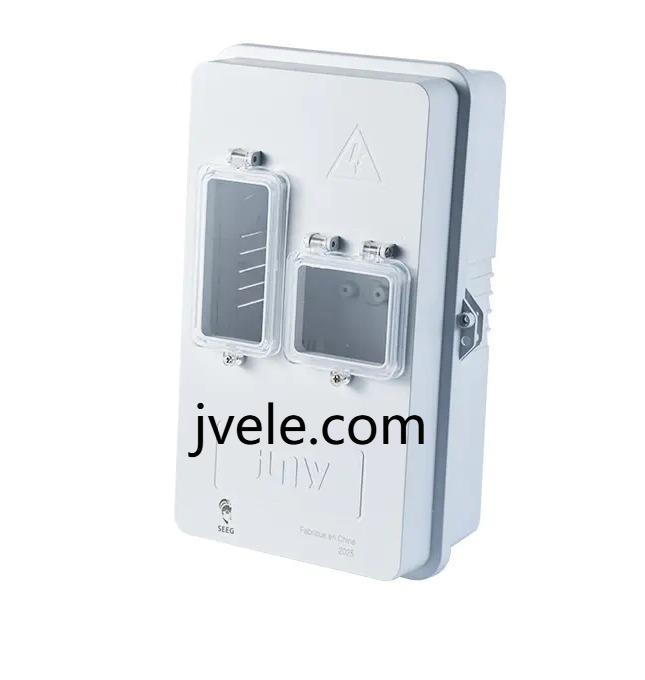
Reliable electrical distribution depends on protective devices that suit the system they serve. When evaluating an MCCB Breaker Manufacturer, buyers should consider more than product appearance or purchase cost. Material selection, protective functions, manufacturing controls, installation requirements, and after-sales support all influence whether a molded case circuit breaker can meet the needs of a particular electrical application.
The materials used inside a breaker contribute to insulation, mechanical stability, and electrical contact performance. The outer housing is generally made from insulating materials designed to separate internal conductive components and protect the mechanism. Conductive parts and terminals must support dependable electrical connections, while contact materials need to withstand the demands of switching. The complete assembly matters because each material performs a different role.
Material selection should also reflect the installation environment. Electrical equipment in commercial buildings may experience different conditions from devices installed in industrial facilities or outdoor distribution systems. Moisture, dust, heat, and cleaning practices can influence the suitability of housing materials and terminal arrangements. Buyers should confirm that the selected product is intended for the environment in which it will operate.
The purchasing process should start with the electrical system rather than the product catalogue. Buyers need to understand the circuit’s purpose, connected loads, expected fault conditions, wiring arrangement, and coordination with other protective devices. Qualified electrical professionals should assess these requirements against applicable standards and manufacturer documentation. Similar external designs do not necessarily indicate equivalent electrical performance or application suitability.
Installation compatibility is another essential factor. The breaker must fit the intended distribution panel, accommodate the required connections, and provide suitable access for operation and inspection. Mounting arrangements, terminal orientation, conductor requirements, and available space should be reviewed before ordering. Clear communication about the installation environment can help prevent avoidable fitting issues and delays during commissioning.
Protection technology determines how a circuit breaker responds to abnormal current conditions. Depending on the design, an MCCB may use thermal and magnetic mechanisms or electronic protection functions to detect overloads and short circuits. Some designs allow selected settings to be adjusted, while others follow fixed operating characteristics. Buyers should verify the device’s documented functions and ensure that its protective behavior matches the engineered system.
Coordination with other protective equipment also deserves attention. A distribution system may contain several breakers serving different circuits or levels of the installation. Their operating characteristics influence how faults are isolated and how much of the system may be interrupted. Proper coordination requires engineering review and appropriate supporting information; selecting each device independently may not deliver the intended system behavior.
Manufacturing consistency is closely related to product dependability. Housing production, contact assembly, terminal installation, mechanism fitting, and final inspection all affect the finished breaker. A controlled process can help manufacturers identify assembly issues before products are released. Buyers may ask about incoming material checks, production inspection, functional testing, traceability, and documentation to better understand a supplier’s quality practices.
Research and development also contribute to product improvement. Manufacturers may refine internal mechanisms, housing structures, operating interfaces, or production methods in response to application needs. A dedicated technical team and suitable testing facilities can support design evaluation and process refinement. For purchasing teams, the ability to discuss technical questions clearly is an important part of assessing a long-term manufacturing relationship.
The user experience of a breaker is largely defined by the work required to install, operate, identify, and maintain it. Clear terminal markings, an understandable operating handle, and accessible connection points can help technicians work more efficiently. Consistent labeling across related products can also simplify panel organization. These practical details support installation and service work, although they do not replace professional procedures or electrical safety requirements.
Maintenance planning should be considered before a panel enters service. Technicians need a clear way to identify circuits, inspect connections according to the manufacturer’s guidance, and investigate repeated trips. A breaker that opens repeatedly should prompt examination of the circuit and operating conditions rather than automatic resetting. Clear documentation and organized panel layouts can help maintenance personnel locate the source of a problem more efficiently.
Appearance and structural design influence how the breaker integrates into electrical equipment. A well-organized housing, legible markings, and a clearly arranged operating interface can make a distribution panel easier to understand. Consistent product design can also help equipment builders create a coherent internal layout. Visual quality remains secondary to electrical suitability, verified protection performance, and compliance with applicable requirements.
Zhejiang Junwei Electric Co., Ltd. develops and manufactures electrical products, including circuit breakers, meter boxes, and fuses. The company describes its work in research and development, production quality management, and product inspection. For buyers sourcing molded case circuit breakers, discussing application requirements, protection functions, installation compatibility, inspection documentation, and ongoing technical support can help clarify supplier suitability. Further information about the company and its electrical products is available at https://www.jvele.com/.
Категории
Больше
The transition toward cleaner energy systems is increasing attention on technologies that can store, transport, and supply hydrogen reliably. Green hydrogen, produced using renewable electricity, is being explored for industrial processes, energy storage, transportation, and other applications where reducing emissions remains a challenge. However, hydrogen has a low volumetric energy density...

The Epoxy Market is covered by Business Market Insights with 2025 as the base year and 2026–2033 as the forecast period. The retrieved public BMI material did not expose all three headline values required for a verified numerical opening, so no market-size figure or CAGR is inferred. Senior management should treat the market as a portfolio-allocation problem. The relevant question is...
The Chelating Agents Market is covered by Business Market Insights with 2025 as the base year and 2026–2033 as the forecast period. The public material captured for this batch did not expose all three headline values required for a verified numerical opening, so no market-size figure or CAGR is inferred. Senior management should treat this market as a portfolio-allocation problem. The...
The Ultrasound Skin Rejuvenation Market size is expected to reach US$ 887.9 Million by 2033 from US$ 363.8 Million in 2025. The market is estimated to record a CAGR of 11.8% from 2026 to 2033. Senior management should treat the market as a portfolio-allocation problem. The relevant question is where product, channel, and service resources can create a defendable position rather than simply...
The Marine Fuel Injection System Market size is expected to reach US$ 1.78 Billion by 2033 from US$ 1.13 Billion in 2025. The market is estimated to record a CAGR of 5.70% from 2026 to 2033. Senior management should treat the market as a portfolio-allocation problem. The relevant question is where product, channel, and service resources can create a defendable position rather than simply...