


 Gospel Preachers TV
Modular Weapon Systems: Adaptability, Interoperability, and Defense Modernization
Modern defense forces increasingly require equipment that can adapt to changing operational needs without requiring complete replacement of existing platforms. Modular weapon systems address this requirement by allowing selected components, accessories, and configurations to be changed according to mission needs. This adaptability can support equipment standardization, simplify upgrades, and help military organizations manage the long service lives associated with defense procurement.
According to the Modular Weapon System research report, the global market was valued at USD 2.55 billion in 2026 and is projected to reach USD 4.24 billion by 2032, registering a compound annual growth rate (CAGR) of 7.53% during 2026–2032. North America accounts for approximately 35% of the market in 2026, modular assault rifles represent around 40% by weapon type, and military and defense forces account for approximately 75% by end user.
Defense Modernization Supports Demand
Defense modernization programs increasingly focus on equipment that can remain operationally relevant as technologies and mission requirements evolve. Modular architectures can allow compatible components and accessories to be updated over time, potentially reducing the need to replace an entire platform when individual capabilities require improvement. Procurement agencies also consider reliability, maintainability, interoperability, training requirements, and lifecycle costs when assessing new systems.
The Stockholm International Peace Research Institute reported that global military expenditure reached USD 2.887 trillion in 2025, marking the eleventh consecutive year of growth. While overall defense expenditure does not translate directly into purchases of modular weapons, sustained investment in military capabilities provides context for modernization programs and procurement planning across different regions.
Modular Assault Rifles Lead Weapon Categories
Modular assault rifles account for approximately 40% of the global market in 2026, according to the report. Their position reflects the role of individual weapons in infantry equipment programs and the ability of modular designs to accommodate compatible accessories and configuration changes. Such systems can be designed to support differing operational requirements while retaining a common platform where appropriate.
Modularity can involve interchangeable components, accessory interfaces, adjustable stocks, and compatible optical or aiming equipment. The extent of these capabilities varies by system, and changes must remain within the manufacturer's specifications and the requirements established by the purchasing organization. Reliability, durability, compatibility, and ease of maintenance remain important considerations alongside adaptability.
Interoperability and Open-System Architecture
Interoperability is an important consideration for defense procurement, particularly when equipment must operate alongside other systems used by different units or allied forces. Standardized interfaces and clearly defined technical requirements can simplify integration, support maintenance, and reduce the difficulty of introducing compatible upgrades. Open-system approaches also aim to reduce dependence on proprietary designs and make future modifications easier to manage.
The U.S. Army describes the Modular Open Systems Approach as a strategy intended to support modularity, interoperability, competition, and incremental technology development. Although open-system principles apply across defense platforms and are not limited to small arms, they illustrate the wider procurement emphasis on systems that can evolve as technical requirements change.
Sensors, Optics, and Digital Integration
Advances in optics, sensors, communications, and soldier equipment are influencing the broader development of modern defense systems. Depending on the platform and its intended role, compatible accessories may include optical sights, night-vision equipment, illumination devices, and other approved attachments. Integration requirements vary, making technical compatibility and operational testing essential.
Digital integration also introduces additional considerations, including power requirements, environmental durability, maintenance, training, and cybersecurity where connected components are involved. Not every modular weapon incorporates advanced digital functions, and the availability of such features differs among products. Procurement teams must therefore evaluate capabilities against defined operational requirements rather than assume that all modular systems offer the same level of technological integration.
Military and Defense Forces Remain the Main End Users
Military and defense forces account for approximately 75% of the market in 2026, according to the report. Their purchasing requirements often involve fleet standardization, personnel training, maintenance planning, equipment availability, and long-term support. Procurement programs may also consider compatibility with existing inventories and the costs associated with introducing a new system across multiple units.
Special operations forces, homeland security organizations, and law enforcement agencies represent other potential end-user groups. Their requirements can differ in terms of deployment conditions, training, durability, and the type of equipment needed. This variation creates demand for systems designed for specific institutional requirements, subject to applicable regulations and procurement standards.
Regional Developments and Competitive Landscape
North America leads the global market with approximately 35% share in 2026, according to the report. The region's defense technology base, established procurement structures, and investment in equipment modernization contribute to its position. Europe and Asia-Pacific also participate in modernization programs, with demand shaped by national defense priorities, industrial capabilities, and interoperability requirements.
The competitive landscape includes Kongsberg Gruppen, Elbit Systems, Rafael Advanced Defense Systems, Rheinmetall, BAE Systems, Leonardo, FN Herstal, General Dynamics, RTX, Saab, and other defense companies. Competition involves system reliability, technical performance, manufacturing capacity, support services, and the ability to meet government procurement specifications. Long-term maintenance and upgrade support can be as important as initial equipment delivery.
Outlook Through 2032
The global modular weapon system market is projected to expand through 2032 as defense organizations continue evaluating adaptable equipment and modernization options. Modular assault rifles and military end users remain important components of the market, while interoperability, component compatibility, and lifecycle planning influence procurement decisions.
Future development will depend on defense budgets, acquisition programs, technical requirements, testing standards, and manufacturers' ability to deliver reliable systems with sustainable support arrangements. Companies that meet clearly defined customer specifications and maintain consistent quality will be positioned to compete as defense organizations assess equipment for evolving operational needs.
Catégories
Lire la suite
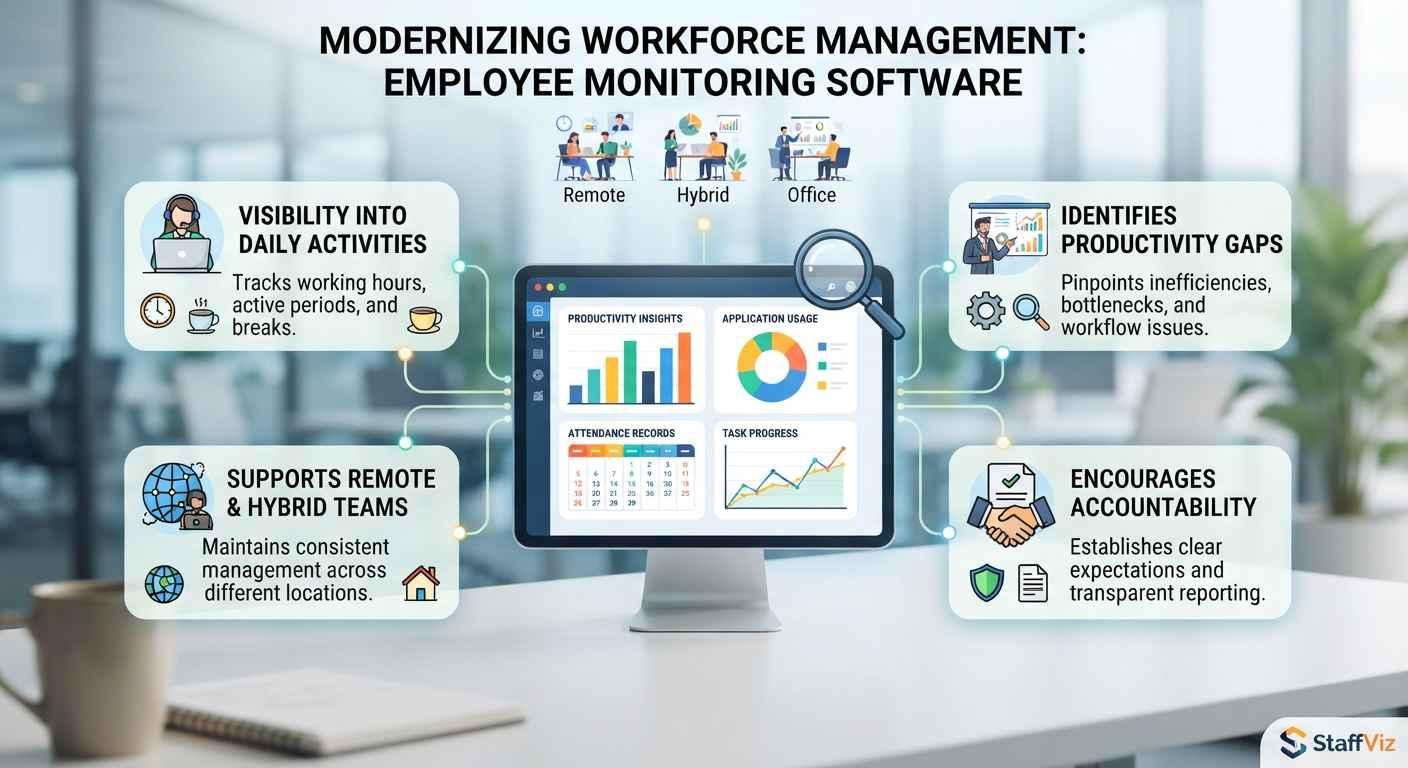
Managing employee productivity is becoming increasingly challenging as businesses adopt remote, hybrid, and traditional workplace arrangements. Managers need a reliable way to understand how work gets completed, identify productivity gaps, and ensure employees remain focused on their responsibilities. However, constantly checking on employees can create unnecessary pressure and reduce workplace...
J'ai mis des semaines à construire mon plan de prospection B2B, et il a tenu à peine un mois. En relisant les articles de Prospection Pro, j'ai fini par voir où ça bloquait. Il fallait surtout que j'arrête de tout faire en même temps. Ma première erreur, c'est d'avoir voulu attaquer trop de cibles en même temps. Des grands comptes, des PME,...

Plastic products must meet increasingly specific requirements related to colour, appearance, strength, durability, safety, and manufacturing efficiency. Masterbatch enables manufacturers to introduce these characteristics through concentrated mixtures of pigments or functional additives dispersed in a compatible polymer carrier. The material is blended with a base resin during production,...

The Construction Adhesive Tapes Market is covered by Business Market Insights with 2025 as the base year and 2026–2033 as the forecast period. The public material captured for this batch did not expose all three headline values required for a verified numerical opening, so no market-size figure or CAGR is inferred. Senior management should treat this market as a portfolio-allocation...

Kiedy pierwszy raz aktywowałem bonus, byłem przekonany, że mam po prostu więcej środków do gry. Szybko okazało się, że konto dzieli się na dwie części, a to, z której z nich schodzi stawka, decyduje o tempie obrotu i o tym, ile mogę wypłacić. Dlatego dziś czytam ten fragment regulaminu zanim kliknę przycisk odbioru.Dwa salda, jedna gra. Saldo rzeczywiste to pieniądze z mojej...