


 Gospel Preachers TV
Balancing Comfort, Sustainability, and Branding in Coffee Cup Accessories
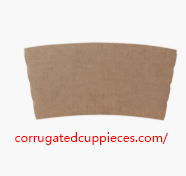
Coffee packaging is often judged by the cup, lid, and printed design, yet the small layer around a hot drink can have an equally noticeable effect on how customers handle it. An Insulated Coffee Cup Sleeve creates separation between the warm cup wall and the hand, while adding grip and another surface for visual communication. Its performance depends on suitable paper, corrugated structure, fit, and printing.
Paper selection is central to how a sleeve feels and performs. Kraft paper is often chosen for its natural appearance and familiar texture, making it suitable for brands that want a simple, understated presentation. White paper offers a clean base for colorful artwork and clear graphic reproduction. Corrugated paper introduces a shaped inner layer that creates space between the cup and the outer surface. This structure can help reduce direct heat transfer while giving the sleeve a more substantial feel. Paper grade and bonding influence stiffness, folding, and fit.
Material choice should also reflect the packaging goals of the business. A café may prefer kraft for a handcrafted identity, while a beverage chain may need consistent color and logo reproduction. Food-contact suitability, odor, print quality, and responsible material sourcing are relevant points to discuss with a supplier. Recyclability should be assessed in the context of the complete paper construction and any coatings, inks, or adhesives used, rather than assumed from the paper content alone.
Buyers can begin the selection process by considering the actual cups used in service. Cup profiles vary, even when their stated capacities appear similar, so the sleeve should be evaluated against the cup's shape rather than selected by capacity alone. A sample can reveal whether the sleeve slides, rotates, gathers at the seam, or feels awkward to apply. Consider serving methods, carrying habits, and storage preferences as well. These checks help buyers compare more than appearance or cost.
The construction of a sleeve affects both insulation and handling. Corrugated flutes create small air spaces within the paper structure, helping separate the hand from the heated cup wall. Its texture can also improve grip. A sleeve needs enough body to retain its shape, but it should still wrap neatly around the cup without excessive force. The seam must hold during normal handling, and the cut edges should feel tidy rather than rough. These qualities depend on coordinated converting processes.
Production technology supports consistency from one order to the next. Paper preparation and corrugating establish the structure, while printing transfers brand artwork onto the material. Die-cutting forms the sleeve outline, and forming or gluing turns the flat piece into a usable wrap. Alignment between these stages matters: uneven cutting can affect the fit, inconsistent corrugation can change the hand feel, and poor joining can weaken the seam. Water-based printing inks are used in paper packaging production, and suitable process controls help maintain clear graphics and consistent appearance. Samples allow buyers to review fit, print, and construction.
The user experience begins when a customer reaches for the drink. A comfortable sleeve should be easy to hold, stay in position, and avoid creating an unnecessarily bulky grip. Its surface texture can make a cup feel more secure, while its coverage helps reduce direct contact with the warm outer wall. The sleeve should not obstruct the lid or interfere with drinking. In busy cafés, sleeves should be quick to apply and easy to store. Flat blanks suit businesses that finish packaging in-house.
Appearance has a practical role beyond decoration. A visible sleeve can reinforce brand recognition as customers carry drinks through public spaces. Kraft tones communicate a natural, relaxed mood; white surfaces provide contrast for colorful artwork; and corrugated textures add depth even when the design is minimal. Brands can use logos, illustrations, short messages, or seasonal graphics to make the packaging feel connected to a particular drink range. Artwork should remain legible and balanced. These choices also influence how packaging is perceived at the point of sale.
Customization is useful when a business has a distinctive cup profile, brand palette, or service concept. Artwork, colors, surface textures, and sleeve structures can be developed around the intended application, with sample approval helping confirm the result before larger production runs. Shanghai Xinona New Material Technology Co., Ltd. manufactures corrugated cup sleeves, cup sleeve blanks, corrugated cups, and related paper packaging products. Its capabilities include corrugating, die-cutting, sleeve forming, and water-based color printing, supporting customized packaging for cafés, beverage brands, and foodservice businesses. Buyers exploring material choices, printed designs, or custom sleeve solutions can find further product information at https://www.corrugatedcuppieces.com/product/
Catégories
Lire la suite
The transition toward cleaner energy systems is increasing attention on technologies that can store, transport, and supply hydrogen reliably. Green hydrogen, produced using renewable electricity, is being explored for industrial processes, energy storage, transportation, and other applications where reducing emissions remains a challenge. However, hydrogen has a low volumetric energy density...

Designing the Ideal Outdoor Living Space Creating an inviting outdoor retreat adds usable square footage, visual charm, and everyday comfort to any residential property. Whether you envision a quiet morning coffee spot, a weekend grilling zone, or an area for family gatherings, poured concrete offers unmatched versatility and longevity compared to wood decks that warp or pavers that shift...

Works on smart TVs sounds reassuring until you cannot find the required app. Televisions use different operating systems, and app availability can depend on model, region and software support. Choosing IPTV for a smart TV should therefore begin with the screen, not the subscription price. This guide covers five options that take different approaches—a player-based account, paid...

Understanding the Needs of a Business Move Relocating a business involves more than transporting desks, chairs, and office supplies. It requires careful coordination to protect valuable equipment, maintain organized records, and help employees adjust to a new workplace. Whether a company is moving to a larger office, changing its location, or expanding operations, a clear plan can make the...

In a city defined by boundless creativity and dynamic ambition, personal style is the ultimate form of self-expression. Amidst the historic brick and modern glass of Downtown LA, a sartorial renaissance is quietly redefining men’s fashion. Gone are the days of off-the-rack compromises; today’s discerning gentleman understands that true elegance begins with premium custom tailoring...