


 Gospel Preachers TV
Sustainability Push Puts New Focus on Advanced Masterbatch Solutions
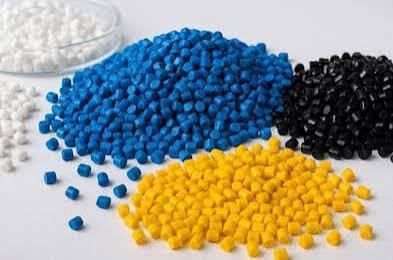
Plastic products must meet increasingly specific requirements related to colour, appearance, strength, durability, safety, and manufacturing efficiency. Masterbatch enables manufacturers to introduce these characteristics through concentrated mixtures of pigments or functional additives dispersed in a compatible polymer carrier. The material is blended with a base resin during production, helping processors create consistent formulations without handling several individual colourants and additives separately.
A recent study by Markntel Advisor highlights that the global masterbatch sector was valued at USD 9.29 billion in 2025. It is projected to grow from USD 10.15 billion in 2026 to USD 15.29 billion by 2032, registering a CAGR of 7.07% during 2026–2032. This expansion reflects growing plastic applications across packaging, transportation, construction, electronics, consumer products, and industrial manufacturing.
Concentrated Formulations Improve Production Control
Masterbatch provides a practical method of incorporating colourants and performance additives into plastic without introducing loose powders directly into manufacturing equipment. The concentrate is produced using a carrier material compatible with the polymer being processed. Manufacturers add a controlled quantity during extrusion, injection moulding, blow moulding, or other plastic-conversion processes.
This approach supports uniform distribution of pigments and additives throughout the finished material. It can also simplify storage, dosing, transportation, and workplace handling. Consistent formulations are particularly important when manufacturers operate multiple production lines or need to reproduce identical product characteristics across different batches, facilities, and geographical locations.
Colour Masterbatch Strengthens Product Identity
Colour is one of the most visible functions of masterbatch. Pigment concentrates allow manufacturers to produce precise shades, opacity levels, finishes, and visual effects without purchasing fully coloured polymer resin. White masterbatch commonly provides brightness and opacity, while black formulations may deliver deep colour, light protection, and selected conductive properties.
Consistent colour is valuable across packaging, household goods, furniture, toys, electrical products, and automotive components. Brands often depend on recognisable colours across their product ranges, making accurate shade matching an important manufacturing consideration. Formulations may also need to retain their appearance after exposure to sunlight, heat, chemicals, moisture, and repeated handling.
Functional Additives Extend Plastic Performance
Masterbatch is not limited to changing the colour of plastic. Additive formulations can introduce ultraviolet stability, flame resistance, antistatic behaviour, slip control, antifog performance, processing support, and protection against material degradation. A broader sustainable plastics strategy also identifies additives and compatibilisers as important tools for improving material performance and supporting more effective plastic processing and recycling.
The appropriate additive depends on the base polymer and the conditions that the finished product will encounter. Outdoor construction materials may require ultraviolet protection, while electrical components may need flame-retardant properties. Agricultural films can benefit from antifog or light-management additives, whereas packaging may require controlled transparency, surface behaviour, or protection from environmental exposure.
Packaging Creates Diverse Material Requirements
Packaging represents a broad application area because bottles, films, containers, caps, trays, and protective materials require carefully managed appearance and performance. Masterbatch helps packaging manufacturers control colour, transparency, light transmission, opacity, surface finish, and production behaviour.
Food and beverage packaging also requires close attention to material safety. The European Commission states that food-contact materials must comply with strict safety requirements, ensuring that substances transferred from packaging do not endanger health or negatively affect food composition, taste, smell, or appearance. These requirements influence the selection of pigments, additives, and carrier polymers used in masterbatch formulations.
Automotive and Construction Expand Applications
Automotive manufacturers use masterbatch in dashboards, bumpers, interior panels, lighting components, electrical parts, and under-the-hood applications. These products may require heat stability, impact resistance, colour consistency, flame control, or long-term protection against sunlight.
Construction products such as pipes, cables, insulation, flooring, roofing membranes, and window profiles also depend on specialised formulations. Their materials may need to withstand outdoor exposure, temperature fluctuations, moisture, chemicals, and long service periods. Infrastructure development and renovation activity consequently create continued requirements for colour and additive masterbatch products.
Recycled Plastics Encourage Formulation Innovation
The growing use of recycled polymers is creating additional technical challenges because recovered plastics can vary in colour, composition, processing behaviour, and mechanical performance. Masterbatch producers are developing stabilisers, colour-correction solutions, compatibilisers, and processing aids that help manufacturers use recycled feedstocks more consistently.
For food-related applications, the European Commission explains that starting substances and additives used in recycled plastic must be authorised and used within applicable restrictions. This highlights the importance of formulation control, traceability, and regulatory compliance as recycled content becomes more common in packaging.
Material Customisation Shapes Future Demand
Masterbatch connects standard polymers with the specialised requirements of finished plastic products. Its ability to provide colour, protection, processing efficiency, and functional performance makes it relevant across numerous manufacturing sectors.
Future development will depend on formulation accuracy, polymer compatibility, regulatory compliance, recycled-material processing, and changing product-performance expectations. As plastic products become increasingly specialised, masterbatch technology will remain an important method of adapting standard polymers for modern industrial and consumer applications.
Categories
Read More
The Flexible Plastic Pouches Market was valued at US$ 69.2 Billion in 2025 and is projected to reach US$ 117.4 Billion by 2033, registering a CAGR of 6.83% during 2026–2033. Senior management should treat the market as a portfolio-allocation problem. The relevant question is where product, channel, and service resources can create a defendable position rather than simply participating in...

Understanding Radon and Its Presence Indoors Indoor air quality is an important part of maintaining a safe residential or commercial property. One concern that property owners may overlook is radon, a naturally occurring radioactive gas produced by the breakdown of uranium in soil and rock. Because radon has no color, smell, or taste, it cannot be identified through ordinary observation. The...

Three Myths That Follow the Party Napkin Somewhere between the buffet table and the recycling bin, a well meaning guest once announced that printed napkins should never sit near food, and the host who repeats such warnings deserves a quieter kind of answer than the warning itself. The safety of Party Printed Paper Napkins is decided by chemistry and paperwork rather than by the presence of...

Plastic products must meet increasingly specific requirements related to colour, appearance, strength, durability, safety, and manufacturing efficiency. Masterbatch enables manufacturers to introduce these characteristics through concentrated mixtures of pigments or functional additives dispersed in a compatible polymer carrier. The material is blended with a base resin during production,...
The Fresh Yeast Market size is expected to reach US$ 6.35 Billion by 2033 from US$ 3.66 Billion in 2025. The market is estimated to record a CAGR of 7.13% from 2026 to 2033. Senior management should treat the market as a portfolio-allocation problem. The relevant question is where product, channel, and service resources can create a defendable position rather than simply participating in a...