


 Gospel Preachers TV
Keeping Indoor Spaces Comfortable Throughout the Year
The Importance of a Reliable Cooling System
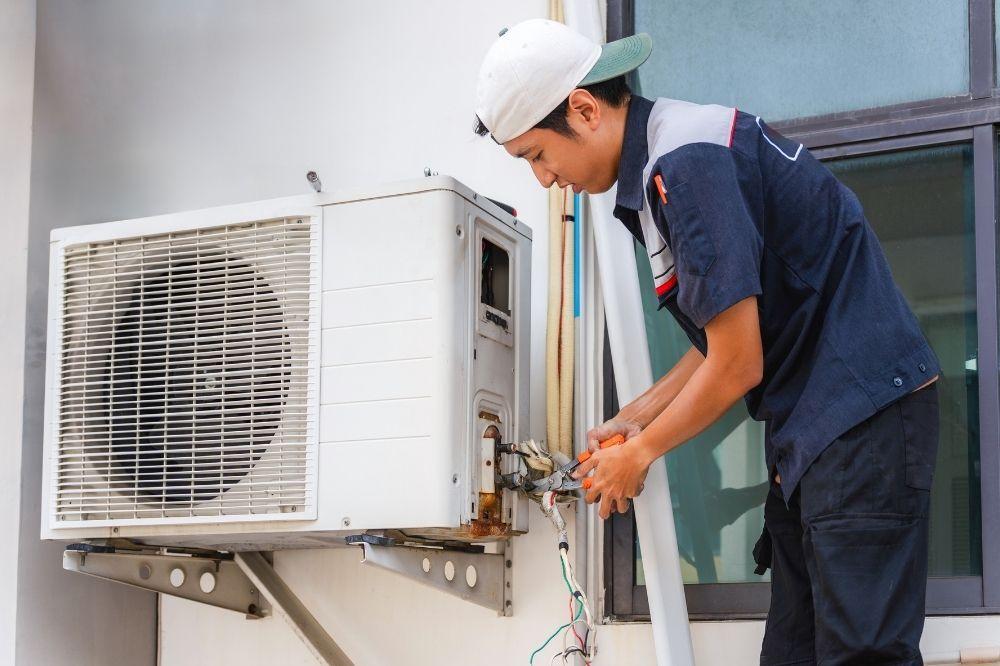
A properly functioning air conditioning system helps maintain comfortable indoor temperatures and supports everyday activities at home or work. When cooling equipment struggles to operate, rooms may become uncomfortable, airflow can decrease, and energy consumption may increase. Understanding how an HVAC system works and recognizing early warning signs can help property owners address concerns before they become more disruptive.
Choosing the Right Cooling Support
Property owners looking for Air Conditioning Services in Riviera Beach FL should consider the condition, size, and operating requirements of their cooling equipment. Different buildings may need different solutions depending on their layout, insulation, occupancy, and existing HVAC setup. A proper assessment helps identify whether the system needs routine maintenance, troubleshooting, component repair, or a more extensive evaluation.
Recognizing Common Air Conditioning Problems
Cooling systems can develop several issues during regular operation. Weak airflow, unusual noises, unpleasant odors, inconsistent temperatures, and frequent cycling may indicate that something is not working correctly. These symptoms can have different causes, including dirty filters, blocked airflow, thermostat problems, electrical faults, or mechanical wear. Identifying the underlying issue is important before deciding on a repair.
Understanding the Role of Air Filters
Air filters help capture dust, airborne particles, and other debris before air circulates through the HVAC system. When a filter becomes clogged, airflow may become restricted, making the equipment work harder to maintain the desired temperature. Checking filters regularly and replacing them according to the manufacturer's recommendations supports better airflow and helps prevent unnecessary strain on system components.
Maintaining Proper Airflow Throughout the Building
Good airflow helps distribute conditioned air more evenly across indoor spaces. Blocked vents, closed registers, dirty ducts, and furniture placed directly in front of air outlets can interfere with circulation. Property owners should keep supply and return vents clear and pay attention to rooms that remain noticeably warmer or cooler than others. Persistent airflow problems may require a professional assessment.
The Value of Experienced HVAC Professionals
Working with Professional HVAC Experts can help property owners understand the condition of their cooling equipment and choose appropriate solutions. HVAC professionals can evaluate system components, inspect electrical connections, check refrigerant-related concerns, and identify mechanical problems. Their assessment can help distinguish between simple maintenance needs and more complicated issues that require specialized repair procedures.
Keeping Refrigerant Levels and Components in Check
Refrigerant plays an important role in transferring heat during the cooling process. Low refrigerant levels may indicate a leak rather than normal consumption, since air conditioning systems are designed to operate with a sealed refrigerant circuit. Qualified technicians can investigate suspected leaks, assess system performance, and determine whether repairs or other corrective work are necessary.
Paying Attention to Thermostat Performance
The thermostat controls when the cooling system operates and helps maintain the selected indoor temperature. Incorrect settings, poor placement, low batteries, or equipment compatibility issues can affect performance. If the system does not respond properly to temperature adjustments, checking the thermostat is a useful starting point. More complex control or wiring concerns should be evaluated by a qualified technician.
Understanding the Importance of Drainage
Air conditioning systems remove moisture from indoor air as part of the cooling process. This moisture collects in a drain pan and typically moves through a condensate drain line. If the line becomes clogged, water may accumulate around the indoor equipment or cause leakage. Periodic inspection of the drainage system helps identify blockages and reduce the risk of moisture-related damage.
Improving System Efficiency Through Maintenance
Routine maintenance helps keep HVAC equipment operating under appropriate conditions. Common maintenance tasks may include inspecting filters, cleaning accessible components, checking electrical connections, reviewing thermostat operation, and examining condensate drainage. The exact service requirements depend on the equipment and manufacturer guidance. Addressing minor concerns during scheduled maintenance can help reduce unexpected interruptions and support consistent cooling performance.
Knowing When Repairs Should Not Be Delayed
Certain warning signs deserve prompt attention. Burning odors, repeated breaker trips, water leaking near electrical components, loud mechanical noises, or a complete loss of cooling may indicate a more serious problem. Property owners should avoid attempting complicated electrical or refrigerant repairs themselves. Turning off affected equipment when safety concerns arise and arranging professional evaluation can help prevent further damage.
Maintaining Comfort With Informed HVAC Decisions
Reliable air conditioning depends on suitable equipment, proper airflow, functional controls, clean components, and timely attention to developing problems. Understanding these factors helps property owners make better decisions about maintenance and repairs. With regular system care and qualified technical support when needed, indoor spaces can remain more comfortable while HVAC equipment continues operating as intended.
Κατηγορίες
Διαβάζω περισσότερα
Sur le papier, beaucoup de matériaux se valent. Sur un vrai chantier, avec la poussière, la pluie qui entre par la porte ouverte et un délai qui se resserre, les écarts apparaissent vite, et c'est exactement ce que décrit choisir des matériaux de rénovation. Je l'ai relu plusieurs fois avant de changer de métier pour conseiller des...

Understanding the Value of a Bathroom Upgrade A bathroom should be comfortable, functional, and easy to maintain. Over time, outdated fixtures, worn surfaces, limited storage, and inefficient layouts can make the space less practical. Renovating this important area gives homeowners an opportunity to improve its appearance while addressing everyday problems. With thoughtful planning, a bathroom...
Isabella Obaze flicked a free of charge kick into the box in just the 22nd second and Sinclair bought towards the ball instantly in advance of goalkeeper Aubrey Kingsbury towards double Portland's headed within Trinity Rodman's cross within the 86th after commencing the time gradual, the Thorns consist of by now received 4 instantly video games.e're participating in with a substitute variety of...

Reliable electrical distribution depends on protective devices that suit the system they serve. When evaluating an MCCB Breaker Manufacturer, buyers should consider more than product appearance or purchase cost. Material selection, protective functions, manufacturing controls, installation requirements, and after-sales support all influence whether a molded case circuit breaker can meet the...
Understanding the Challenges of a Long-Distance Move Moving to another city or state involves more planning than a typical local relocation. Longer travel distances, transportation schedules, packing requirements, and delivery arrangements all need careful coordination. Whether moving a household for work, family, or a lifestyle change, having an organized plan helps reduce confusion and makes...