

 Gospel Preachers TV
Choosing the Right Hardwood Floors for Your Home
The Appeal of Hardwood Flooring
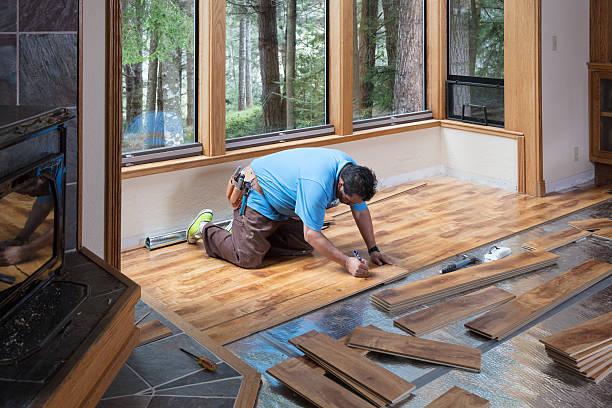
Hardwood floors are a popular choice for homeowners who want an attractive and practical flooring option. Their natural grain patterns, warm appearance, and variety of finishes make them suitable for many interior styles. Whether updating a single room or renovating an entire home, installing hardwood can create a consistent look while providing a durable surface for everyday household activities.
Planning Your Flooring Project
Before choosing materials, homeowners should consider the size of the area, existing floor conditions, interior design, and expected daily use. Planning Hardwood Floor Installation near Atlanta GA involves evaluating these details to determine which flooring type and installation approach are appropriate. Establishing a realistic budget and project timeline also helps homeowners prepare for material selection, room preparation, and installation work.
Exploring Different Hardwood Options
Hardwood flooring is available in several wood species, each with distinctive colors, grain patterns, and characteristics. Oak is widely recognized for its versatile appearance, while maple offers a more subtle grain. Hickory provides noticeable natural variation, and walnut is valued for its deeper tones. Comparing samples in the actual room can help homeowners understand how different options work with existing furniture and lighting.
Understanding Solid and Engineered Hardwood
Solid hardwood consists of a single piece of wood, while engineered hardwood has a real wood surface attached to a layered core. Both options can provide an attractive natural appearance, but their construction makes them suitable for different conditions. Solid flooring may allow refinishing multiple times depending on its thickness, while engineered products can offer greater dimensional stability in certain environments.
Selecting the Right Floor Finish
The finish affects the appearance, maintenance requirements, and surface protection of hardwood flooring. Glossy finishes reflect more light and create a polished look, while matte and satin finishes provide a softer appearance. Some homeowners prefer natural-looking finishes that highlight the wood grain. When comparing options, consider household activity, cleaning preferences, and how visible everyday marks may be.
Preparing the Existing Floor Surface
Proper preparation is essential before new hardwood flooring is installed. The existing surface should be inspected for uneven areas, moisture concerns, loose materials, and other conditions that could affect the finished result. Old flooring may need to be removed, and the subfloor may require cleaning, leveling, or repairs. Addressing these issues beforehand helps create a suitable foundation for installation.
Considering Room Layout and Design
The direction and arrangement of hardwood boards can influence how a room looks. Installing planks parallel to the longest wall may create a balanced appearance, while different patterns can introduce visual interest. Wider boards can make some rooms feel more open, whereas narrower planks may suit traditional interiors. Homeowners should compare samples and layout options before making a final decision.
Working With Experienced Flooring Professionals
Professional installation requires careful measuring, material handling, cutting, fitting, and finishing. Homeowners comparing Hardwood Flooring contractors should look at relevant experience, previous projects, customer feedback, and the scope of work included in an estimate. It is also important to discuss installation methods, expected preparation, cleanup responsibilities, and any warranty information before scheduling the project.
Managing Moisture and Indoor Conditions
Wood naturally responds to changes in temperature and humidity. Excess moisture can cause boards to expand, while very dry conditions may contribute to gaps or other movement. Flooring materials should be stored and acclimated according to manufacturer instructions before installation. Checking moisture conditions in the flooring and subfloor helps reduce the risk of problems after the project is completed.
Understanding the Installation Process
The installation process generally begins with measurements and surface preparation, followed by arranging boards according to the selected layout. Depending on the product, flooring may be nailed, stapled, glued, or installed using an approved floating system. Installers must maintain appropriate spacing, align boards carefully, and make precise cuts around doorways and fixed features to achieve a neat, consistent appearance.
Coordinating Installation With Other Renovations
If hardwood flooring is part of a larger home improvement project, the installation schedule should be coordinated with painting, cabinetry, electrical work, and other renovations. Completing dusty construction tasks before installing the new floor can help protect its surface. Homeowners should also plan where furniture and belongings will be stored while the work is underway and allow sufficient time before using the finished area.
Recognizing Signs That Flooring Needs Attention
Scratches, fading, loose boards, gaps, and surface wear can indicate that an existing hardwood floor needs maintenance. Some issues may be resolved through minor repairs, while more extensive damage could require refinishing or board replacement. Regular inspections help homeowners recognize changes early and determine whether professional evaluation is necessary to protect the flooring.
Enjoying a Beautiful and Lasting Interior
Hardwood flooring can bring warmth, character, and visual consistency to a home when the right materials and installation methods are selected. Careful preparation, suitable moisture management, and attention to detail all contribute to a successful project. By choosing appropriate flooring and following a regular maintenance routine, homeowners can enjoy an attractive surface that complements their living spaces for years.
Kategorien
Mehr lesen
Hip hop culture has had a remarkable influence on modern fashion, transforming everyday clothing into a powerful form of self expression. From oversized hoodies and baggy jeans to statement jackets and iconic sneakers, hip hop has helped shape the way people dress during the colder months. What began as a cultural movement rooted in music, creativity, and community has grown into a worldwide...

Po kilku latach grania online doszedłem do wniosku, że najcenniejsze na moim koncie nie są środki, lecz sam dostęp do niego. To dane osobowe, historia wpłat i skany dokumentów z weryfikacji. Dlatego mniej więcej raz na kwartał robię krótki przegląd zabezpieczeń i notuję sobie, co udało się poprawić.Hasło, które trudno zgadnąć. Używam całych fraz zamiast pojedynczych...

Understanding the Risks of Termite Activity Termites can cause significant damage to buildings because they feed on materials containing cellulose, including wood, paper, and certain plant-based products. Their activity often remains hidden behind walls, beneath floors, or inside structural components, allowing damage to develop before it becomes noticeable. Over time, affected materials may...
The Importance of Electrical System Inspections Electrical systems are essential to the comfort, safety, and functionality of modern homes. From lighting and appliances to heating systems and everyday electronics, reliable electrical power supports nearly every household activity. However, aging components, overloaded circuits, improper wiring, and hidden defects can create potential safety...

Bringing Modern Technology Into Everyday Living Technology has changed how people experience entertainment, communication, and everyday household activities. Modern homes and commercial spaces can use connected devices to improve convenience, simplify equipment management, and create more engaging environments. From televisions and surround sound to automated lighting and connected controls, a...