


 Gospel Preachers TV
Planning Commercial Projects With Strong Foundations
Defining the Goals of a Commercial Project
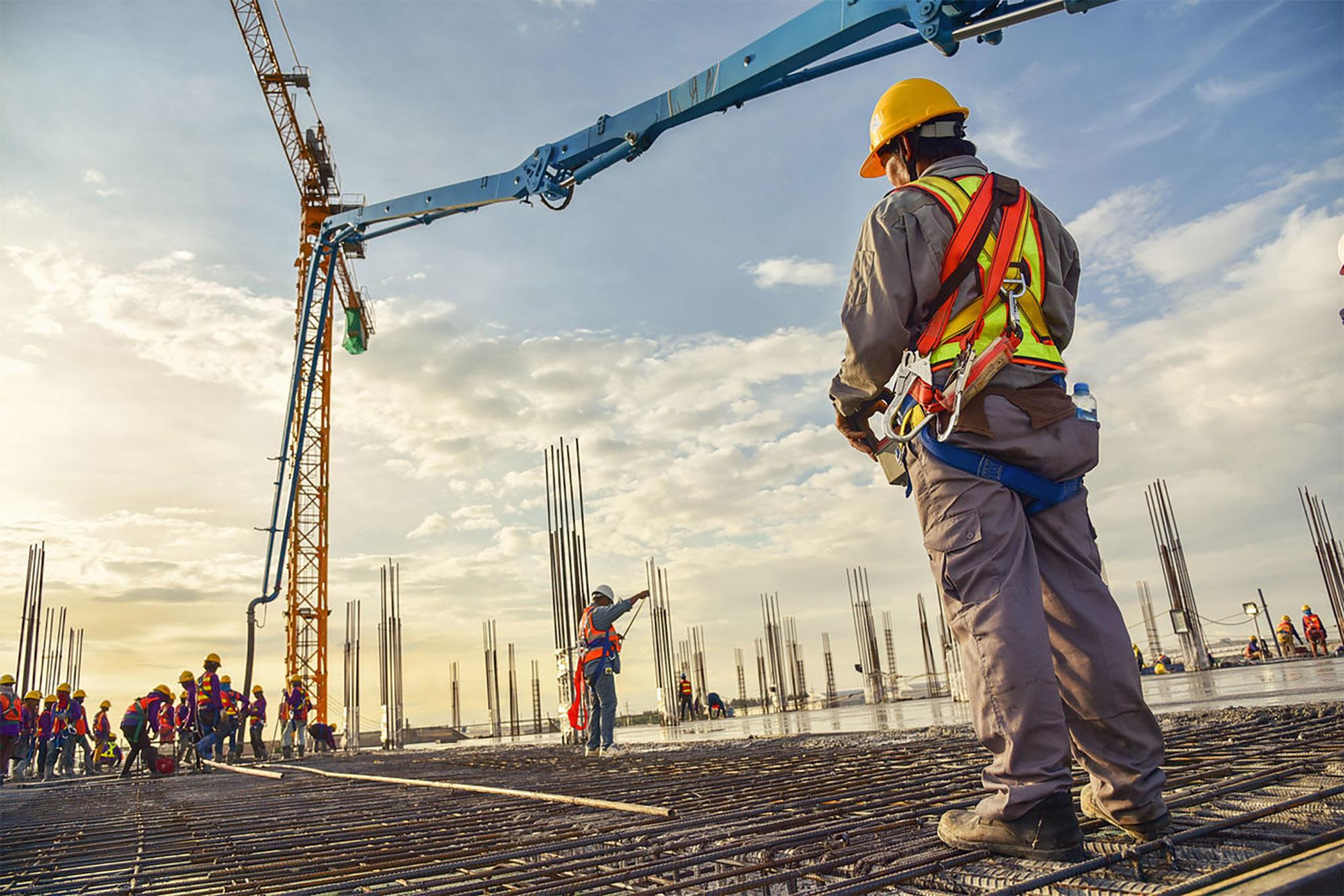
Constructing an office building requires careful planning, organized coordination, and a clear understanding of how the finished property will be used. Business owners and developers must consider the number of employees, daily operations, customer access, storage requirements, and available space. These factors influence the building's layout, design, and essential features. Establishing project goals early helps guide important decisions and creates a practical direction for the entire construction process.
Preparing for the Building Process
Before construction begins, developers need to evaluate the property, project requirements, and expected schedule. Office Building Construction Services Las Vegas NV can support the development of commercial spaces by addressing important stages such as site preparation, structural planning, and coordination of building activities. A clear project scope helps determine the work involved, the materials required, and the professionals needed. This preparation also makes it easier to identify potential challenges before they affect progress.
Evaluating the Construction Site
A site assessment helps determine whether the property is suitable for the proposed building. Important considerations include ground conditions, drainage, access points, surrounding structures, and available utilities. The layout of the land can influence foundation requirements and the placement of entrances, parking areas, and service connections. Reviewing these details before major work begins helps reduce unexpected complications. Proper site preparation also provides a more dependable starting point for the construction team.
Developing a Practical Building Design
The design should balance appearance, functionality, safety, and long-term usability. Office spaces may include private rooms, shared work areas, conference rooms, reception spaces, restrooms, and utility areas. Their arrangement should support convenient movement while making efficient use of the available floor space. Natural lighting, ventilation, accessibility, and future expansion needs also deserve attention. A thoughtful design gives the construction team clear requirements and helps ensure that the completed building serves its intended purpose.
Selecting Suitable Building Materials
Material selection can influence the building's durability, appearance, maintenance needs, and overall performance. Concrete, steel, masonry, glass, and other construction materials each serve different purposes within a commercial structure. The right choices depend on architectural plans, structural requirements, environmental conditions, and project specifications. Comparing material options before purchasing helps avoid unnecessary changes during construction. Quality materials, when properly installed, contribute to a building that can support regular business activities over many years.
Managing Structural Construction
Structural work establishes the strength and stability of a commercial building. Depending on the design, this stage may involve foundation construction, framing, columns, beams, floor systems, and roof structures. Each component must follow the approved plans and applicable building requirements. Accurate measurements and coordinated installation are important because structural mistakes can affect later stages of the project. Regular oversight helps identify issues while they can still be addressed without disrupting additional construction activities.
Coordinating the Main Construction Stages
A well-organized schedule helps different trades complete their responsibilities in the correct order. New Construction Services Las Vegas NV may involve coordinating foundation work, framing, roofing, electrical systems, plumbing, insulation, and interior finishes. These activities often depend on one another, so delays or incomplete work in one area can affect several other tasks. Consistent communication among project participants helps maintain workflow, clarify responsibilities, and address scheduling concerns as construction moves forward.
Installing Essential Building Systems
An office building needs reliable systems to support daily operations and occupant comfort. Electrical installations provide lighting and power for equipment, while plumbing supports restrooms and other water-dependent areas. Heating, ventilation, and air conditioning systems help maintain comfortable indoor conditions throughout the property. Communication infrastructure, security equipment, and fire protection features may also be required. These systems should be planned alongside the building design so that installation locations, access points, and connections are properly coordinated.
Completing Interior and Exterior Finishes
Once the main structure and essential systems are in place, attention can shift toward finishing work. Interior tasks may include drywall installation, flooring, painting, ceiling work, doors, fixtures, and cabinetry. Exterior completion can involve siding, windows, entrances, walkways, and other architectural details. The selected finishes should match the building's intended use while supporting practical maintenance. Careful installation and consistent workmanship help create a professional environment suitable for employees, visitors, and business operations.
Reviewing the Finished Building
Before an office building is ready for occupancy, the completed work should be reviewed carefully. Inspections and final checks help confirm that construction follows approved plans and applicable requirements. Doors, windows, electrical fixtures, plumbing connections, ventilation equipment, and safety features should receive appropriate attention. Any unfinished items or identified defects can then be documented and corrected. A thorough completion process helps the owner understand the condition of the property and prepare it for regular use.
Supporting Long-Term Building Performance
Commercial construction involves more than completing a structure on schedule. Decisions made during planning, material selection, installation, and final review can influence how well the property performs in the future. Keeping project documents, maintenance information, and system details organized can make later repairs and improvements easier to manage. With clear planning, coordinated workmanship, and attention to construction quality, an office building can provide a functional environment that supports business needs for years to come.
Categorie
Leggi tutto
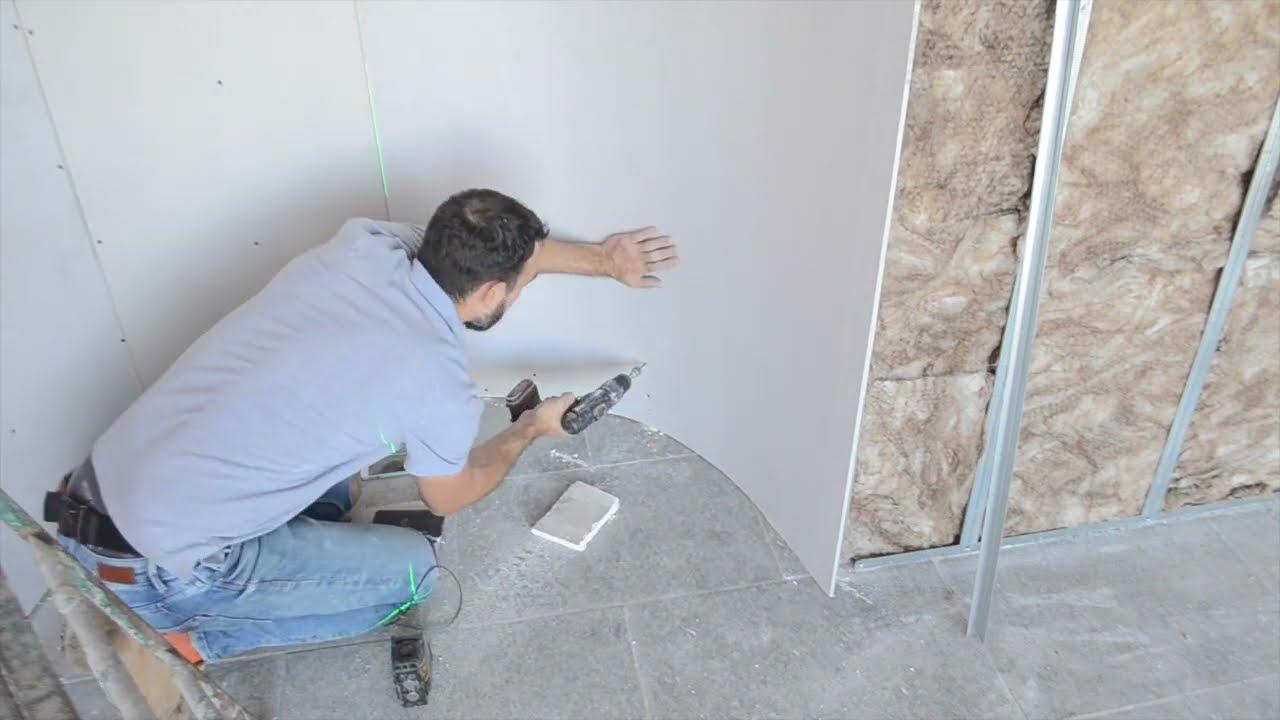
Why Quality Wall Construction Matters in Every Room Smooth, properly hung walls form the visual foundation of every room in a home or commercial building, influencing everything from paint appearance to acoustic comfort and indoor energy efficiency. When panels are poorly aligned, inadequately fastened, or rushed during taping and mudding, uneven seams, nail pops, and hairline cracks quickly...
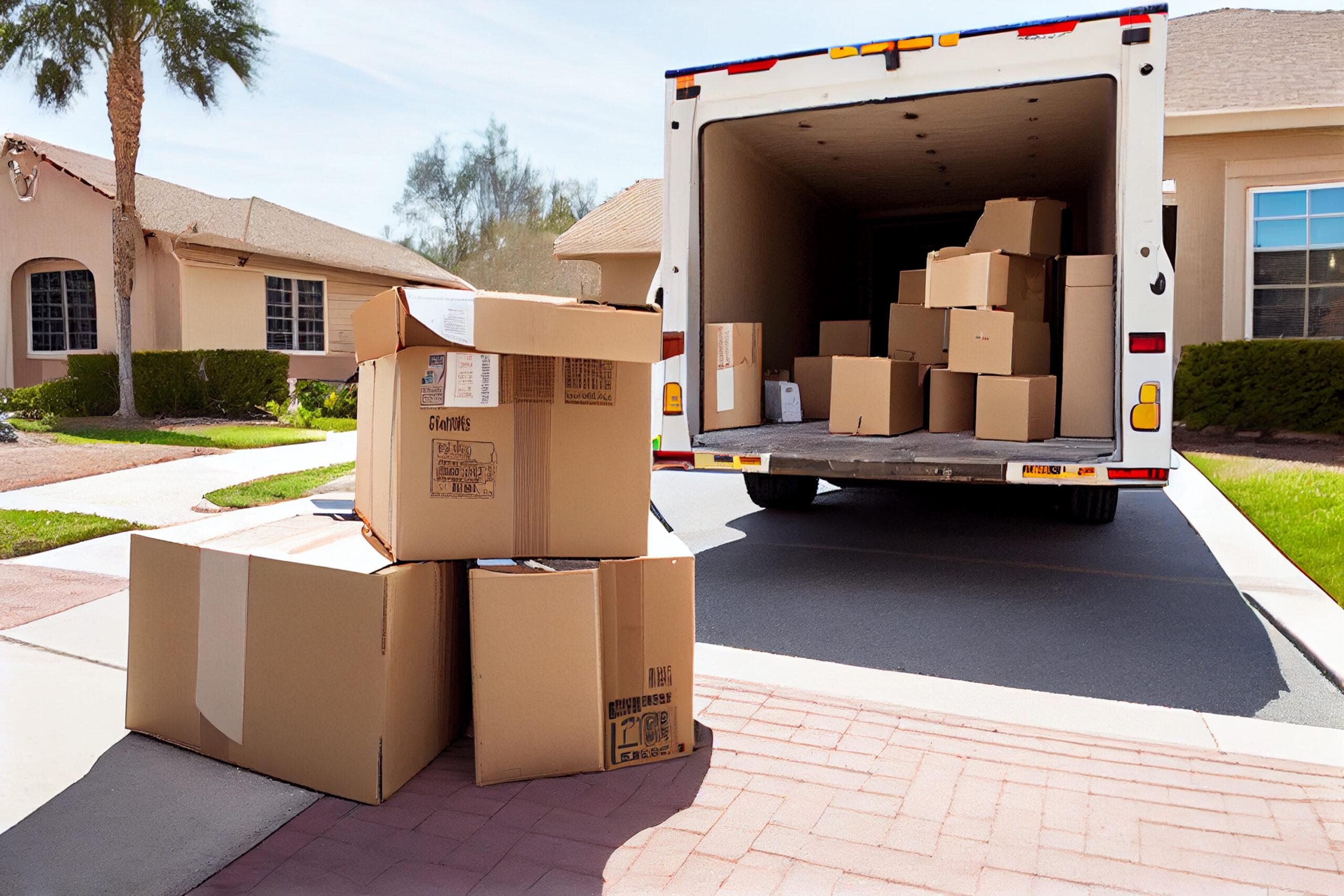
Why Condo Relocations Require Extra Planning Moving into or out of a condominium involves unique logistical details that set it apart from a standard single-family house relocation. Shared hallways, narrow stairwells, tight parking zones, and strict elevator schedules all require careful coordination before moving day arrives. Most homeowner associations also enforce specific moving hours,...
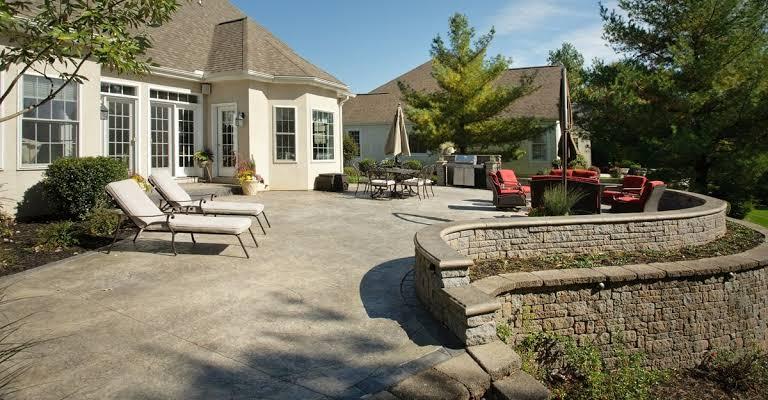
Designing the Ideal Outdoor Living Space Creating an inviting outdoor retreat adds usable square footage, visual charm, and everyday comfort to any residential property. Whether you envision a quiet morning coffee spot, a weekend grilling zone, or an area for family gatherings, poured concrete offers unmatched versatility and longevity compared to wood decks that warp or pavers that shift...
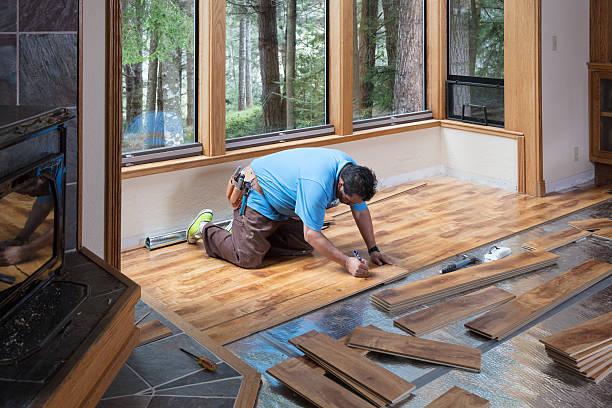
The Appeal of Hardwood Flooring Hardwood floors are a popular choice for homeowners who want an attractive and practical flooring option. Their natural grain patterns, warm appearance, and variety of finishes make them suitable for many interior styles. Whether updating a single room or renovating an entire home, installing hardwood can create a consistent look while providing a durable surface...
SEATTLE, WASHINGTON JUNE 19: Ranger Suarez 55 of the Boston Crimson Sox reacts at the time staying pulled towards the sport for the duration of the 7th inning from the Seattle Mariners at TMobile Park upon June 19, 2026 inside of Seattle, Washington. Image through Jack ComptonGetty Pictures Getty ImagesIt been just about 4 complete many years that Ie been an About The Monster employees creator,...