


 Gospel Preachers TV
Restoring Smooth and Durable Interior Wall Surfaces
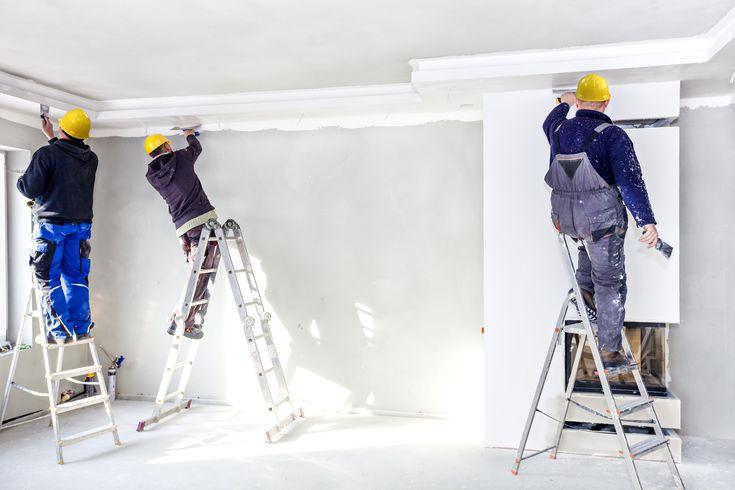
Understanding Cracks in Plaster Surfaces
Plaster walls can develop cracks over time due to building movement, temperature changes, moisture exposure, or natural material shrinkage. Some cracks are small and mainly affect the appearance of a room, while others may indicate a deeper issue that needs attention. Understanding the type and location of a crack is an important first step toward choosing an appropriate repair method. Addressing visible damage early can help prevent further deterioration and keep interior surfaces in better condition.
Identifying the Right Repair Approach
Every damaged wall has different repair requirements depending on the size, depth, and cause of the problem. Professional Cracked Plaster Repair Services in Lynchburg VA can help restore damaged surfaces by assessing the affected area and selecting suitable repair materials. Minor hairline cracks may require filling and refinishing, while wider openings may need additional preparation or reinforcement. A careful assessment helps ensure that the repair addresses the visible damage and does not overlook conditions that could cause the crack to return.
Recognizing Common Causes of Wall Cracks
Several factors can contribute to plaster deterioration. Buildings naturally experience small movements as materials expand, contract, and settle. Changes in temperature and humidity can also affect plaster, especially when indoor conditions fluctuate frequently. Water intrusion from plumbing leaks, roof problems, or exterior openings may weaken the material and cause sections to separate. Identifying the likely cause before beginning repairs is essential because covering a crack without addressing its source may only provide a temporary improvement.
Inspecting the Damaged Area
A thorough inspection helps determine how much repair work is needed. The affected surface should be checked for loose plaster, flaking paint, hollow areas, discoloration, and signs of moisture. The direction and pattern of a crack may also provide useful information about the type of movement or stress involved. If cracks are unusually wide, continue growing, or appear alongside other structural warning signs, further evaluation may be necessary before cosmetic work begins. This helps prevent repairs from hiding more serious concerns.
Preparing the Surface for Repair
Proper preparation creates a better foundation for lasting results. Loose material around the damaged section should be removed carefully so that repair compounds can bond to a stable surface. Dust, dirt, and flaking paint should also be cleared away. Depending on the condition of the plaster, the area may need to be slightly opened or shaped to receive the repair material. Clean and properly prepared surfaces help reduce weak spots and make it easier to achieve an even finish.
Selecting Appropriate Repair Materials
The materials used for plaster repairs depend on the damage and the condition of the surrounding wall. Joint compounds, patching materials, plaster products, primers, and reinforcing tape may be suitable for different situations. Small surface imperfections generally require less extensive materials than deeper cracks or damaged sections. Using compatible products is important because different compounds have specific application and drying requirements. Following product instructions and allowing sufficient curing time helps create a stronger repair that is ready for finishing.
Completing the Repair With Professional Care
Repair work involves applying suitable material, allowing it to dry, and smoothing the surface until it blends with the surrounding wall. General Contractor Lynchburg VA services may also help coordinate related interior improvements when plaster damage is part of a larger renovation or property maintenance project. Depending on the condition of the room, additional work may include repairing adjacent surfaces, preparing walls for painting, or addressing other visible defects. Coordinating these tasks can help create a consistent appearance throughout the space.
Creating a Smooth and Consistent Finish
Once the repaired area has dried completely, sanding and surface preparation help remove uneven edges and visible imperfections. The repaired section may need more than one application to achieve a smooth result, particularly when the original damage is deep. After the surface is properly leveled, an appropriate primer can help prepare it for paint. Matching the existing wall texture and finish is also important because differences in surface appearance can make even a structurally sound repair noticeable.
Preventing Future Plaster Damage
Regular property maintenance can help reduce the likelihood of recurring plaster problems. Property owners should address plumbing leaks, roof moisture, poor ventilation, and other sources of water exposure as soon as they are identified. Maintaining stable indoor conditions can also limit stress caused by repeated temperature and humidity changes. Periodically checking walls, ceilings, and corners for new cracks or discoloration makes it easier to identify developing issues before they spread.
Maintaining the Appearance of Interior Walls
Well-maintained plaster contributes to a clean and comfortable indoor environment. Prompt repairs, suitable materials, and careful finishing can improve the appearance of damaged walls while helping protect the surrounding surface. Property owners should avoid simply painting over cracks because the underlying damage may remain unresolved. When unusual or recurring cracks appear, identifying the cause is just as important as repairing the visible area. Consistent inspections and timely maintenance help interior walls remain attractive and functional over time.
الأقسام
إقرأ المزيد
The Commercial Vehicle Steel Wheels Market size is expected to reach US$ 11.98 Billion by 2033 from US$ 6.80 Billion in 2025. The market is estimated to record a CAGR of 7.3% from 2026 to 2033. Senior management should treat the market as a portfolio-allocation problem. The relevant question is where product, channel, and service resources can create a defendable position rather than simply...

Turning a product concept into a dependable physical component requires coordination between design, materials, manufacturing methods, and quality management. During CNC Processing, digital instructions guide machine movements and cutting operations, helping manufacturers shape workpieces according to an established design. The process is especially useful when components need carefully...
Fragrances have become an important part of personal care and lifestyle products, serving purposes that range from everyday grooming to self-expression and gifting. Consumers can choose from a wide variety of scent profiles, concentrations, packaging formats, and price points, encouraging brands to differentiate their offerings through formulation, design, and brand identity. Evolving shopping...
The Rolling Stock Market size is expected to reach US$ 48.4 Billion by 2033 from US$ 33.5 Billion in 2025. The market is estimated to record a CAGR of 4.70% from 2026 to 2033. Senior management should treat the market as a portfolio-allocation problem. The relevant question is where product, channel, and service resources can create a defendable position rather than simply participating in a...
A well-structured CV can make a real difference when applying for nursing roles. CV Masters provides a professional nursing CV writing service designed to help nurses present their qualifications, clinical experience, skills, and achievements in a clear and organised format. Whether you are a newly qualified nurse or an experienced healthcare professional, a tailored CV can highlight the...