


 Gospel Preachers TV
Building a More Secure and Connected Home Environment
Understanding the Importance of Home Surveillance
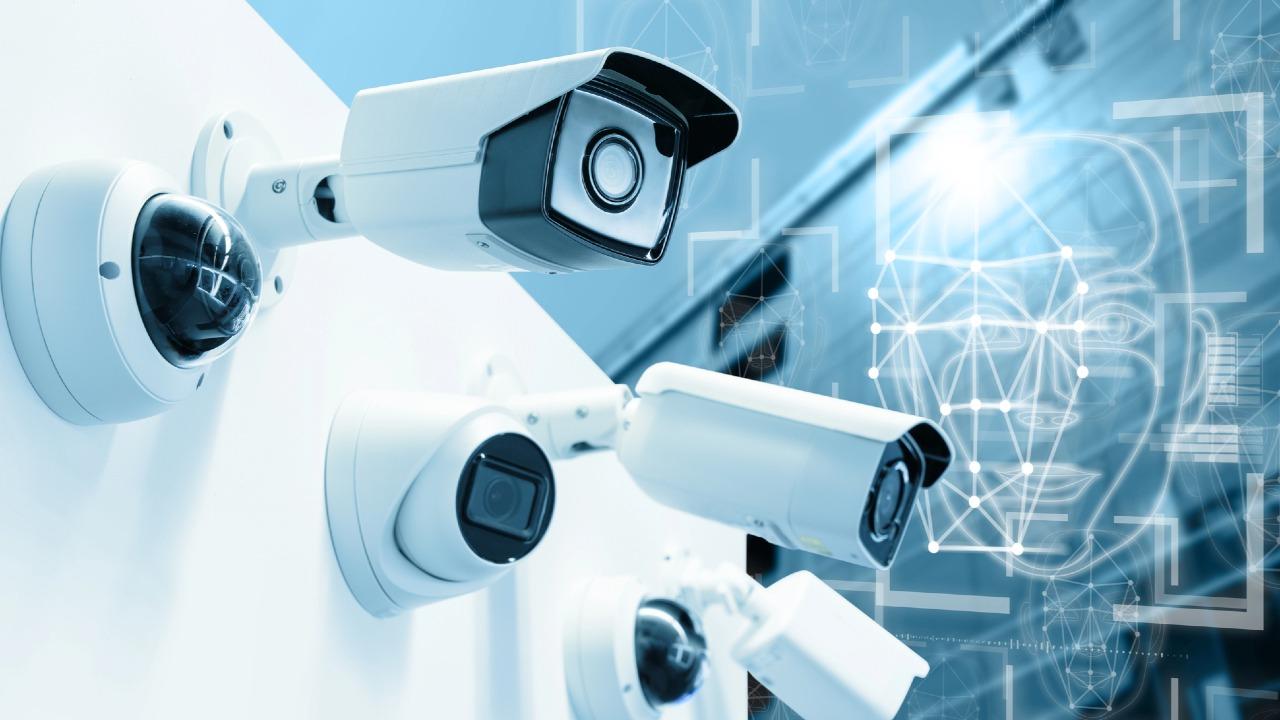
Home security involves more than locking doors and windows. A well-planned surveillance system can help homeowners monitor entrances, outdoor areas, driveways, and other important parts of their property. Cameras provide visual information that may help identify unusual activity and review events when needed. Modern systems can also connect with mobile devices, allowing users to check selected camera views remotely. Choosing suitable equipment and planning its placement carefully can improve visibility and make everyday security management more convenient.
Choosing a Suitable Surveillance Setup
Every property has different security requirements based on its size, layout, access points, and surrounding environment. Professional Residential Surveillance Systems in Yardley PA can help homeowners select equipment that addresses their specific monitoring needs. A suitable setup may include indoor cameras, outdoor cameras, recording equipment, motion detection, and remote viewing features. The number and type of devices should depend on the areas that need coverage rather than simply installing as many cameras as possible. A practical plan helps balance visibility, functionality, and ease of use.
Identifying Important Camera Locations
Camera placement has a direct effect on how effectively a surveillance system monitors a property. Main entrances, garage doors, driveways, backyard access points, and side passages are common locations to consider. Cameras should be positioned to capture useful views without unnecessary obstructions from trees, walls, or outdoor furniture. Homeowners should also consider lighting conditions because poor visibility can affect image quality at night. Thoughtful positioning helps reduce blind spots and makes recorded footage more useful when reviewing activity.
Understanding Different Camera Features
Surveillance cameras are available with different capabilities designed for various residential applications. High-resolution recording can provide clearer images, while night vision supports monitoring in low-light conditions. Motion detection can notify homeowners when activity is identified within a selected area. Some cameras include two-way audio, allowing communication through a connected device. Weather-resistant construction is important for equipment installed outdoors. Comparing these features helps homeowners choose devices that suit their property, expectations, and available network capabilities.
Planning a Reliable Network Connection
Modern surveillance equipment often depends on a stable network connection for remote viewing, alerts, and communication with other devices. Security Networking Services in Yardley PA can help establish the network infrastructure needed to support connected cameras and related security equipment. Planning may involve reviewing router placement, wireless coverage, cable connections, and network capacity. A reliable setup helps reduce interruptions and supports smoother communication between devices. It is also important to consider how additional cameras or smart home equipment may affect network performance.
Choosing Between Wired and Wireless Equipment
Wired and wireless surveillance systems each offer different installation considerations. Wired cameras may provide a consistent connection and can be suitable for properties where cable routing is practical. Wireless devices can offer greater flexibility in placement, although their performance depends on signal strength and network conditions. Some systems use a combination of both approaches to meet different coverage requirements. Homeowners should consider installation access, power availability, maintenance expectations, and connectivity before selecting an arrangement.
Protecting Connected Security Devices
Network-connected cameras and recording equipment should be configured with appropriate security settings. Strong, unique passwords help reduce the risk of unauthorized access, while updated device software can address known security weaknesses. Homeowners should also review user permissions and avoid sharing login details unnecessarily. When possible, security devices can be placed on a separate network from everyday personal equipment. These precautions help protect camera access and support safer management of connected home technology.
Setting Up Recording and Remote Monitoring
Recording options vary depending on the equipment and system design. Some devices store footage locally on memory cards or dedicated recording units, while others support cloud-based storage. Each option has different storage limits, access methods, and subscription requirements. Homeowners should understand how long footage is retained and how recordings can be retrieved when needed. Remote monitoring applications should also be configured carefully so that notifications provide useful information without creating unnecessary interruptions throughout the day.
Maintaining the Surveillance System
Routine maintenance helps keep cameras and connected equipment working properly. Outdoor camera lenses should be checked for dust, water spots, insects, and other obstructions that may reduce image clarity. Homeowners should periodically review camera angles, test recording functions, and confirm that alerts are working as expected. Network equipment and system software should also receive appropriate updates. Checking cables, power connections, and storage capacity can help identify developing issues before they affect monitoring.
Creating a Practical Long-Term Security Plan
A dependable residential surveillance setup combines suitable equipment, thoughtful placement, reliable connectivity, and consistent maintenance. Homeowners should review their monitoring needs whenever property layouts change or new access points are added. They should also consider privacy when positioning cameras, especially around neighboring properties and shared spaces. With careful planning and appropriate network protection, connected surveillance equipment can become a useful part of a broader home security strategy while supporting convenient property monitoring.
الأقسام
إقرأ المزيد
The fragrance industry offers exciting opportunities for entrepreneurs, retailers, and established perfume brands. As consumer interest in different fragrance styles continues to grow, perfume oils have become an attractive product category for businesses worldwide. Buying wholesale perfume oils in bulk can help retailers expand their collections, maintain inventory, and offer customers a wider...

Eastern Europe’s banking sector is undergoing a significant transformation as financial institutions modernize legacy infrastructure, expand digital services, and respond to evolving customer expectations. Core banking systems form the operational foundation of banks, supporting essential functions such as account management, transaction processing, deposits, lending, and customer...

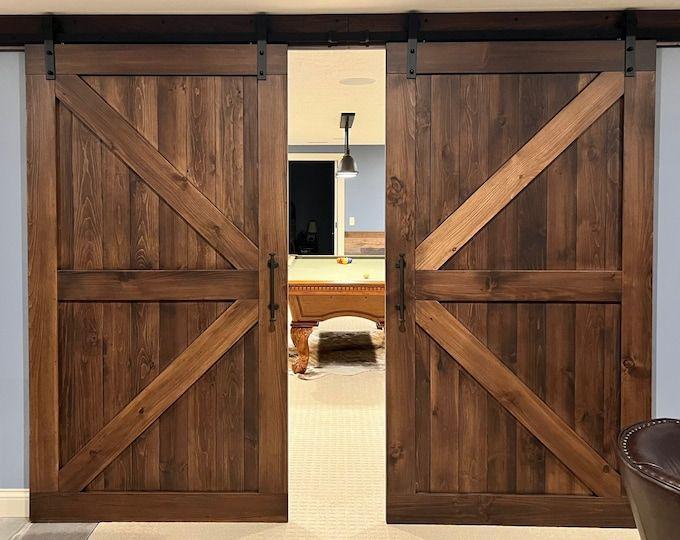
Bringing Rustic Charm Into Your Home Doors are more than simple entryways between rooms. They contribute to a home's style, privacy, functionality, and overall atmosphere. Choosing the right door can transform an ordinary space into something more inviting and visually appealing. Rustic designs, in particular, offer a warm appearance that combines natural textures, traditional craftsmanship,...
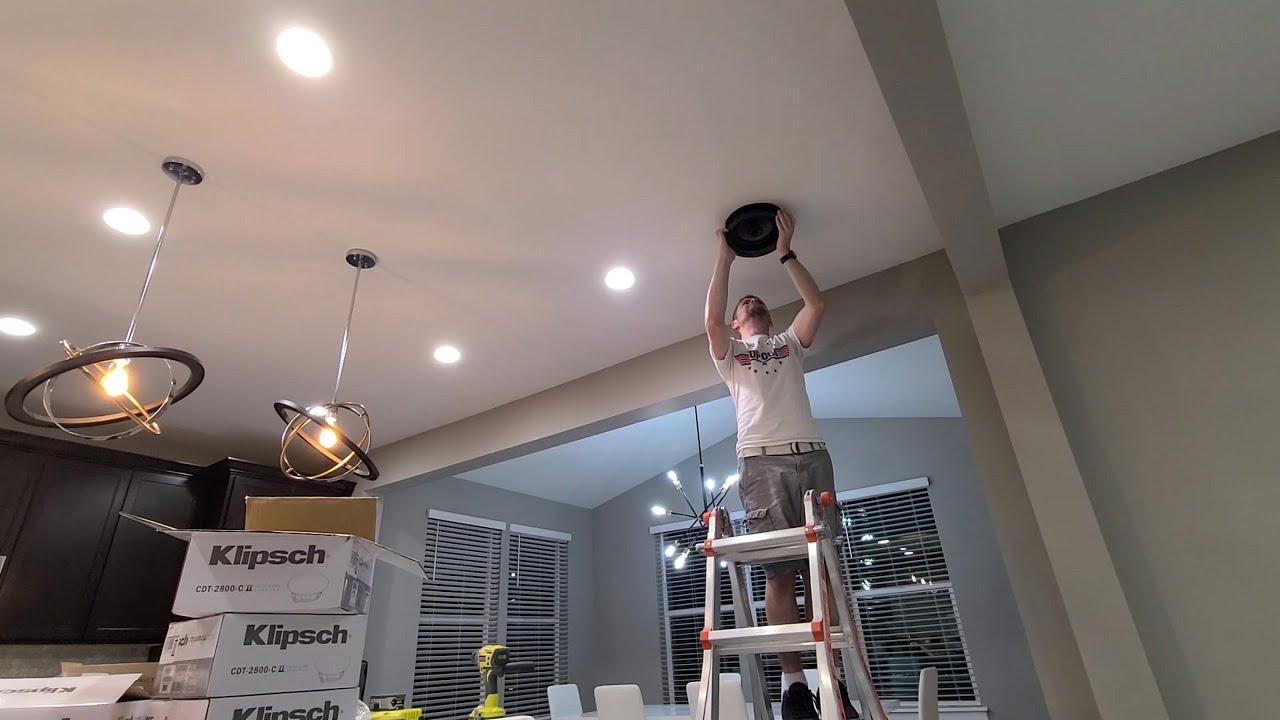
Bringing Modern Technology Into Everyday Living Technology has changed how people experience entertainment, communication, and everyday household activities. Modern homes and commercial spaces can use connected devices to improve convenience, simplify equipment management, and create more engaging environments. From televisions and surround sound to automated lighting and connected controls, a...
Modern vehicles rely on advanced cooling systems to maintain optimal engine temperatures under varying driving conditions. Whether navigating city traffic, covering long highway distances, or carrying heavy loads, an engine continuously generates heat that must be managed efficiently. Automotive coolant plays a critical role in preventing overheating, minimizing corrosion, and protecting engine...