
 Gospel Preachers TV
A Practical Plan for Clearing Storm-Damaged Properties
Understanding the Impact of Storm Debris
Severe weather can leave residential and commercial properties covered with fallen branches, leaves, broken fencing, damaged outdoor furniture, and other unwanted materials. Even a short storm may create a significant cleanup task, particularly when debris is spread across lawns, driveways, walkways, and outdoor gathering areas. Leaving these materials in place can make a property difficult to access and may create additional problems. A timely cleanup helps restore order and makes it easier to assess any remaining damage.
Why Prompt Cleanup Is Important
After a storm, removing scattered materials should be an important part of restoring a property. Storm Debris Removal Services West Park FL can help property owners manage fallen vegetation, damaged household items, and other waste left behind by severe weather. Clearing affected areas improves accessibility and reduces obstacles around entrances, driveways, and walkways. Prompt attention also makes it easier to identify damaged structures, inspect outdoor spaces, and plan any repairs that may be needed.
Common Types of Storm-Related Waste
Storm debris can include several different materials, and each type may require a suitable handling approach. Fallen tree limbs, leaves, branches, and uprooted shrubs are common after strong winds or heavy rainfall. Properties may also contain broken patio furniture, damaged outdoor decorations, sections of fencing, roofing materials, and pieces of damaged structures. Identifying the materials before beginning cleanup helps determine how they should be separated, transported, and disposed of responsibly.
Evaluating the Property Before Cleanup
Before moving debris, property owners should take time to inspect the affected areas. Look for fallen branches, damaged fences, blocked entrances, and materials that may have landed near buildings or vehicles. Particular care is necessary around downed power lines, unstable trees, and damaged electrical equipment. These hazards should not be approached or handled without qualified assistance. A careful assessment helps establish which areas can be cleaned safely and which problems require professional attention first.
Organizing Debris for Easier Removal
An organized cleanup process can make a large task more manageable. Separating natural materials from household waste, construction debris, and damaged outdoor belongings helps prevent different materials from becoming mixed together. Smaller branches and loose leaves can be gathered into manageable piles, while bulky items may need separate handling. Keeping pathways clear during the process also helps people move around the property more easily. Planning the work before hauling begins can reduce unnecessary effort.
When Professional Removal Can Help
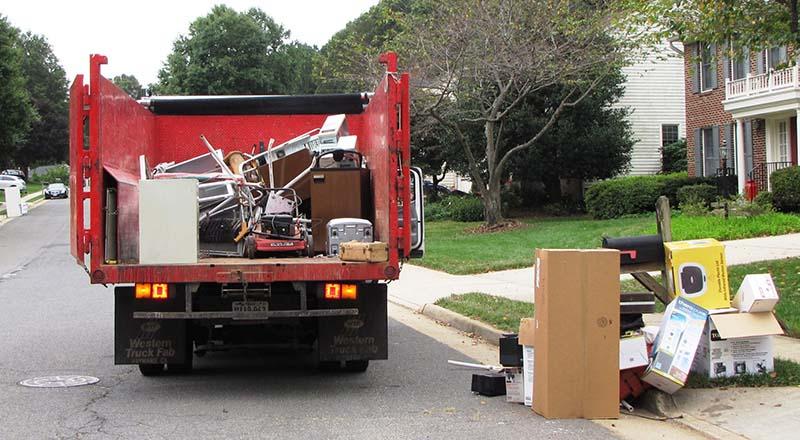
Some storm cleanup projects involve more debris than a property owner can reasonably handle alone. Large branches, heavy furniture, damaged fencing, and accumulated waste may require suitable equipment and transportation. Junk Removal Company West Park FL services can assist with collecting and hauling unwanted materials from affected properties. Professional help can be especially useful when debris occupies several areas or when bulky items are difficult to move. The appropriate removal plan depends on the volume, material types, and accessibility of the property.
Protecting Landscaping and Outdoor Features
Storm cleanup should be handled carefully to avoid creating additional damage. Branches and other heavy materials can affect lawns, garden beds, walkways, and decorative landscaping when dragged across surfaces. Whenever possible, debris should be lifted or moved using suitable equipment rather than pulled through planted areas. Property owners should also check outdoor lighting, irrigation components, fences, and other features before moving large objects nearby. Careful handling helps preserve parts of the property that remain in good condition.
Managing Different Disposal Requirements
Not all storm-related waste can be handled in the same way. Yard waste, household items, construction materials, and potentially hazardous substances may have different disposal requirements. Local waste management guidelines should be reviewed before materials are transported or placed for collection. Items containing chemicals, fuel, batteries, or other potentially dangerous substances require special care and should not be mixed with ordinary debris. Separating materials properly supports a more organized process and helps avoid unsuitable disposal practices.
Preparing for Future Severe Weather
Once the immediate cleanup is complete, property owners can take practical steps to reduce future storm-related mess. Trimming overhanging branches, securing outdoor furniture, maintaining fences, and storing loose garden equipment can help limit the amount of material scattered during strong winds. Regularly checking trees and removing dead limbs may also reduce certain risks. Although preparation cannot prevent every type of storm damage, maintaining outdoor areas can make future cleanup more manageable.
Restoring a Clean and Usable Property
A property can feel more organized and accessible once storm-related waste has been cleared. Removing fallen branches, damaged belongings, and scattered materials creates a better starting point for landscaping work, exterior repairs, and general property maintenance. Whether the cleanup involves a small residential yard or a larger outdoor area, a planned approach helps keep the process efficient. Assessing hazards, sorting materials, and arranging appropriate hauling can support a cleaner space and help property owners move forward after severe weather.
Categorii
Citeste mai mult
Recenzji kasyn w sieci jest więcej niż samych kasyn. Część z nich to przepisane materiały reklamowe. Kilka cech pozwala szybko odróżnić jedne od drugich.Konkretne liczby. Wymóg obrotu, minimalny depozyt, limity wypłat, czas realizacji. Ogólniki w rodzaju „atrakcyjne bonusy” niczego nie mówią.Wady. Każde kasyno jakieś ma. Recenzja bez minusów jest...

Los Angeles Dodgers ace Tarik Skubal is within line in the direction of probably get hold of a agreement relevance fifty percent a billion hard cash. Los Angeles Dodgers ace Tarik Skubal is in just line towards quite possibly acquire a deal great importance 50 % a billion cash. ESPN's Jeff Passan suggests Skubal's foreseeable future agreement may achieve $500 million, barring the wage cap....

The transition toward cleaner energy systems is increasing attention on technologies that can store, transport, and supply hydrogen reliably. Green hydrogen, produced using renewable electricity, is being explored for industrial processes, energy storage, transportation, and other applications where reducing emissions remains a challenge. However, hydrogen has a low volumetric energy density...

Managing employee productivity is becoming increasingly challenging as businesses adopt remote, hybrid, and traditional workplace arrangements. Managers need a reliable way to understand how work gets completed, identify productivity gaps, and ensure employees remain focused on their responsibilities. However, constantly checking on employees can create unnecessary pressure and reduce workplace...
9 of the avid gamers upon the roster are inside their 30s, which includes all of the forwards unless of course for Lynn Williams. The primary 18 gamers identified as towards the Tokyo squad rosters have been later on expanded in direction of incorporate 4 alternates experienced the oldest typical age of any final U.S. Olympic personnel. was asking yourself how straightforward that wonder would...