
 Gospel Preachers TV
Keeping Your Laundry Area Safe From Water Damage
Understanding the Causes of Washing Machine Leaks
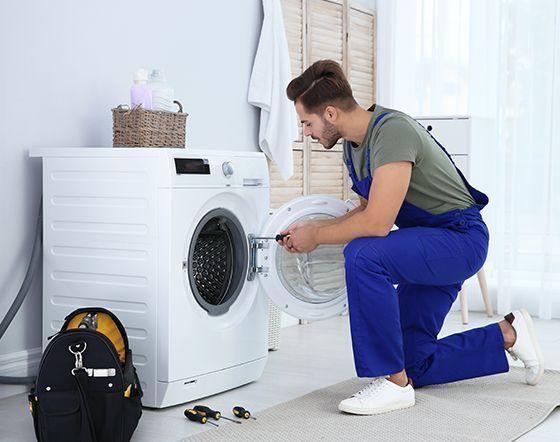
A leaking washing machine can quickly turn an ordinary laundry routine into an inconvenient problem. Water may collect around the appliance, spread across the floor, or reach nearby cabinets and walls. Even a small leak can become more serious if it continues unnoticed. Common causes include loose hose connections, worn door seals, damaged drain components, clogged filters, and problems with internal water valves. Identifying the source is the first step toward choosing an effective repair.
Recognizing Early Signs of a Leak
Not every washing machine leak begins with a large amount of water on the floor. Sometimes the first signs include dampness beneath the appliance, moisture around the door, small puddles near the drain hose, or an unusual increase in water usage. Washing Machine Leak Repair Bridgeville PA can help address these problems by identifying damaged components and restoring proper water flow. Paying attention to early warning signs may prevent additional damage to flooring, walls, and surrounding household items.
Checking Water Supply Hose Connections
Water supply hoses deliver water from household plumbing connections into the washing machine. If a hose becomes loose, cracked, or worn, water may escape during operation or while the appliance is filling. Connections should be checked for visible moisture, corrosion, and signs of deterioration. A damaged hose should be replaced with a compatible option rather than temporarily covered with tape or another improvised material. Properly secured connections help maintain a reliable water supply and reduce the risk of unexpected leaks.
Inspecting the Door Seal and Gasket
Front-loading washing machines use a rubber door gasket to create a watertight seal during wash cycles. Over time, detergent residue, lint, small objects, and regular use can affect its condition. Cracks, tears, or hardened sections may allow water to escape around the door. Cleaning the gasket regularly can help remove buildup, but damaged rubber usually requires replacement. Keeping the seal clean and checking it for visible wear supports proper door closure and helps prevent recurring moisture problems.
Understanding Drainage Problems
A washing machine must remove used water through its drain hose and connected plumbing system. If the hose becomes blocked, kinked, or improperly positioned, water may back up or escape during the draining process. A clogged household drain can create similar symptoms, making it important to determine whether the problem comes from the appliance or the plumbing connection. Checking the drain area for visible obstructions may help identify a simple issue, while persistent drainage problems require a more thorough inspection.
When Professional Appliance Repairs Are Necessary
Some leaks involve internal components that are difficult to inspect without taking parts of the appliance apart. Damaged pumps, faulty water inlet valves, worn internal hoses, and loose internal connections can all contribute to water escaping from the machine. Appliance Repair Services in Bridgeville PA can help diagnose these concerns and determine which components need attention. A proper inspection is especially useful when a leak continues after basic hose and gasket checks or when water appears during different stages of the wash cycle.
Identifying Leaks During Different Wash Cycles
The timing of a leak can provide useful information about its possible cause. Water appearing while the machine fills may point toward a supply hose, inlet valve, or dispenser issue. Leakage during washing could involve the door seal or an internal connection, while water escaping during drainage may indicate a pump or drain hose problem. Observing when the leak occurs can help technicians narrow down the possibilities and avoid replacing components without identifying the underlying fault.
Preventing Water Damage Around the Appliance
Water from a leaking washer can damage flooring, baseboards, cabinets, and nearby belongings if it is not addressed promptly. If a leak is active, stop the appliance and shut off its water supply when it is safe to do so. Avoid touching electrical connections or standing in pooled water near powered equipment. Remove accessible water carefully and allow the affected area to dry. If water has reached electrical outlets or wiring, qualified assistance is important before using the area again.
Choosing the Right Repair Solution
A reliable repair begins with understanding the appliance's model, age, symptoms, and maintenance history. Technicians may inspect hoses, seals, valves, pumps, drainage connections, and other relevant components before recommending a solution. Replacing only the faulty part can be more practical than making unnecessary changes to the entire system. Using compatible replacement components and following appropriate installation procedures helps restore normal operation and reduce the likelihood of repeated leakage.
Keeping Laundry Equipment Reliable
A washing machine is an important household appliance, and even a minor leak deserves attention. Routine inspections, careful use, and timely repairs can help protect the laundry area and support dependable performance. Property owners should avoid ignoring damp spots or assuming that occasional water around the appliance is normal. Addressing the source of a leak and maintaining the machine according to its care instructions can help extend its useful life and keep everyday laundry tasks running smoothly.
Категории
Больше
Why Condo Relocations Require Extra Planning Moving into or out of a condominium involves unique logistical details that set it apart from a standard single-family house relocation. Shared hallways, narrow stairwells, tight parking zones, and strict elevator schedules all require careful coordination before moving day arrives. Most homeowner associations also enforce specific moving hours,...
Understanding the Importance of a Strong Foundation A building's foundation supports its entire structure and helps distribute weight safely into the ground. When concrete develops cracks, settles unevenly, or begins to deteriorate, the stability of the property may be affected. Recognizing foundation problems early gives property owners an opportunity to investigate the cause and determine...

The Crystalline Polyethylene Terephthalate Market is covered by Business Market Insights with 2025 as the base year and 2026–2033 as the forecast period. The public material captured for this batch did not expose all three headline values required for a verified numerical opening, so no market-size figure or CAGR is inferred. Senior management should treat this market as a...
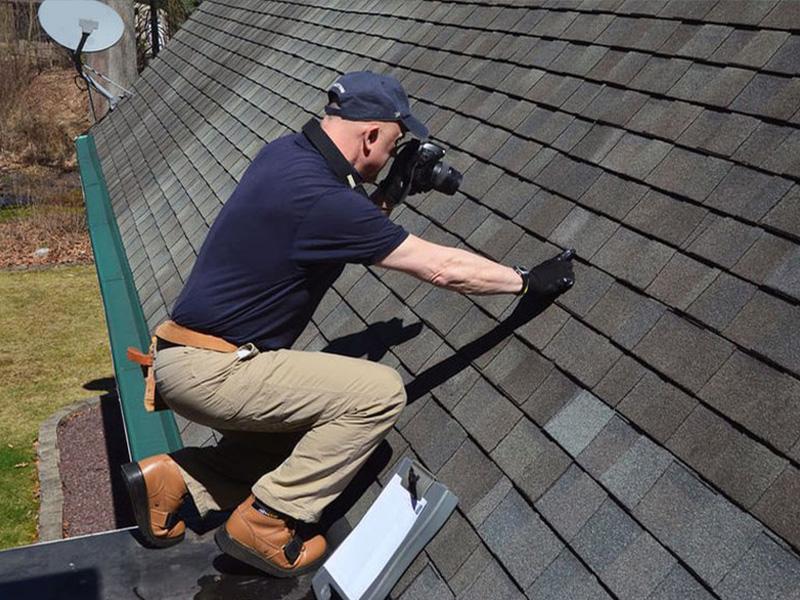
Why Roof Condition Deserves Attention A roof protects a property from rain, wind, sunlight, and other outdoor elements. Over time, exposure to changing weather and normal aging can affect roofing materials, flashing, drainage components, and structural connections. Small problems may remain unnoticed until they cause interior leaks or visible deterioration. Regular evaluations help property...
The Ultrasound Skin Rejuvenation Market size is expected to reach US$ 887.9 Million by 2033 from US$ 363.8 Million in 2025. The market is estimated to record a CAGR of 11.8% from 2026 to 2033. Senior management should treat the market as a portfolio-allocation problem. The relevant question is where product, channel, and service resources can create a defendable position rather than simply...