


 Gospel Preachers TV
Understanding the Importance of Professional Radon Testing
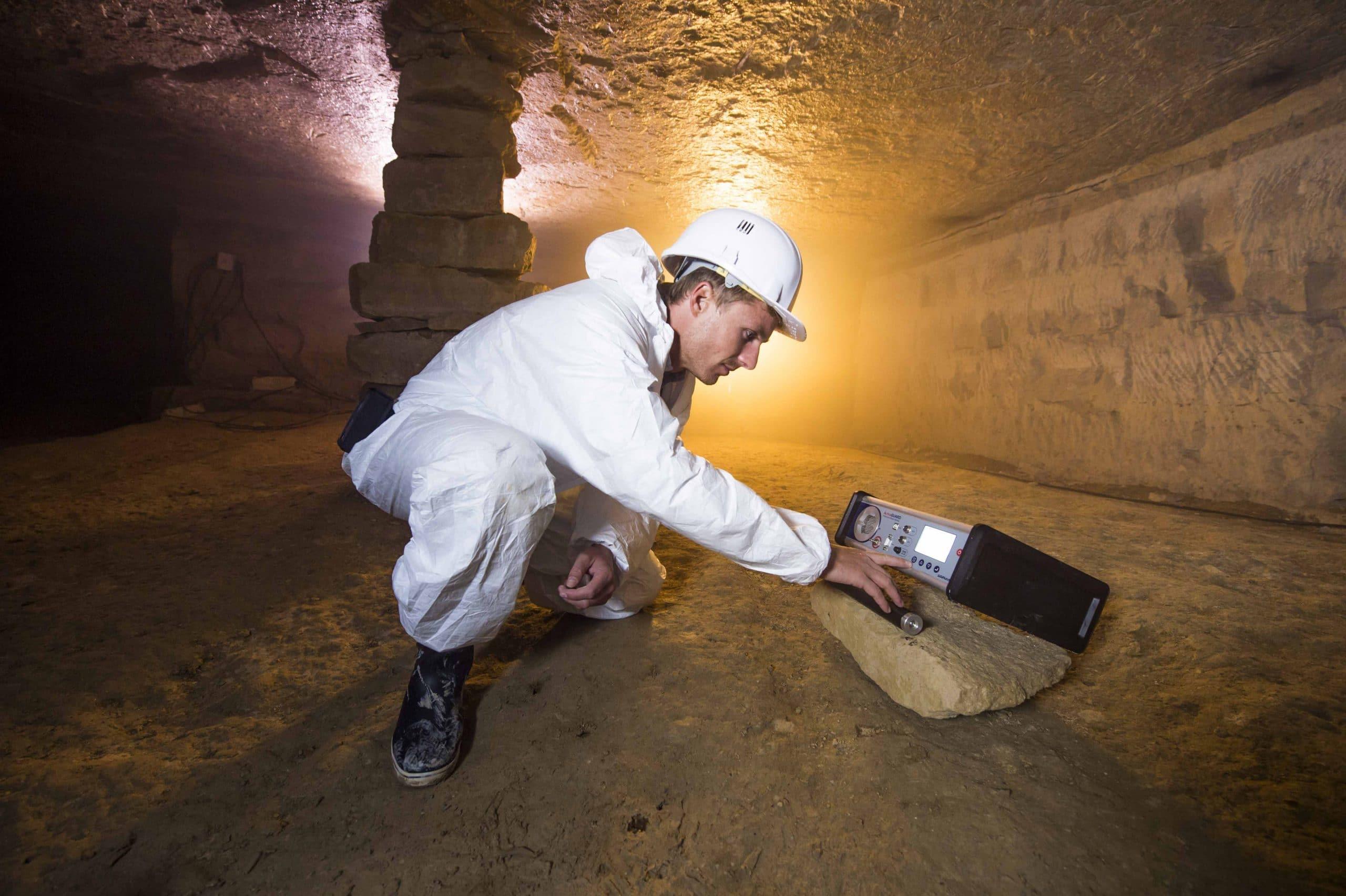
Understanding Radon and Its Presence Indoors
Indoor air quality is an important part of maintaining a safe residential or commercial property. One concern that property owners may overlook is radon, a naturally occurring radioactive gas produced by the breakdown of uranium in soil and rock. Because radon has no color, smell, or taste, it cannot be identified through ordinary observation. The gas can enter buildings through openings in foundations and other structural gaps, potentially accumulating indoors when ventilation is limited.
Why Radon Testing Should Not Be Overlooked
Testing is the only reliable way to determine whether radon levels inside a building are elevated. Radon Testing Services in Melbourne FL can help property owners identify potential concerns and understand whether further evaluation or mitigation may be necessary. Radon exposure over time is associated with an increased risk of lung cancer, making awareness especially important for people who spend extended periods indoors. Testing provides measurable information instead of relying on assumptions about a building's location or condition.
How Radon Enters a Building
Radon commonly moves from the soil beneath a structure into indoor spaces through small openings and pathways. These may include foundation cracks, construction joints, gaps around utility pipes, crawl spaces, and openings around floor drains. Differences in air pressure between the building and surrounding soil can encourage the gas to move indoors. Once inside, radon may accumulate, particularly in lower levels and areas with limited air exchange. Understanding these entry points helps explain why testing is important.
Understanding Different Testing Methods
Radon testing can be performed using short-term or long-term methods, depending on the property's needs and the reason for the assessment. Short-term tests generally provide an initial measurement over a limited period, while long-term testing offers a broader picture of average radon conditions. Testing devices must be placed and operated according to applicable instructions to produce useful results. Factors such as building occupancy, ventilation, and test duration should be considered when interpreting measurements.
Choosing the Right Time to Test
Radon testing may be useful when purchasing a property, completing renovations, evaluating indoor environmental conditions, or checking a building that has never been tested. Property owners should not assume that a newer structure or a well-maintained building is automatically free from radon concerns. Levels can vary between neighboring properties and may change depending on building conditions. Testing at appropriate intervals and following recognized procedures helps provide more dependable information about indoor radon levels.
The Importance of Commercial Property Evaluations
Commercial buildings often contain different room layouts, ventilation systems, occupancy patterns, and foundation configurations. These factors can influence how indoor environmental conditions should be evaluated. Commercial Property inspection services Melbourne FL can help property owners and managers assess building conditions, identify areas that may require further attention, and understand maintenance concerns. Including radon testing as part of a broader property evaluation can provide useful information about indoor air quality alongside other structural and operational considerations.
Identifying Areas That May Require Attention
Lower floors, basements, ground-level rooms, and spaces with direct contact with the soil may deserve particular consideration during a radon assessment. However, elevated readings are not limited to any specific type of building or room. A testing professional can determine appropriate locations based on the property's layout and testing requirements. Attention should also be given to areas with visible foundation openings or unusual ventilation conditions, although these observations alone cannot establish whether radon is present.
Understanding Test Results
Radon results are commonly reported in picocuries per liter of air, abbreviated as pCi/L, in the United States. The measurement provides an estimate of the radon concentration during the testing period. Results should be compared with current guidance from recognized public health authorities rather than interpreted without context. In the United States, the Environmental Protection Agency recommends taking action to reduce radon when levels reach or exceed 4 pCi/L. Lower readings may still warrant consideration depending on individual circumstances and testing guidance.
What Happens When Elevated Levels Are Found
An elevated test result does not mean that a building is permanently unsafe or that occupants must immediately abandon the property. It indicates that further evaluation and appropriate corrective measures should be considered. Radon mitigation professionals can assess the building and recommend a system designed to reduce indoor concentrations. Common approaches include soil depressurization systems that redirect radon from beneath the structure to the outdoors. Follow-up testing is important to determine whether the mitigation work has achieved the intended reduction.
Making Informed Property Decisions
Reliable testing and thorough property evaluations help owners make decisions based on measurable information. Whether managing a commercial building or assessing a property before a purchase, understanding potential radon concerns supports more responsible maintenance planning. Testing can identify conditions that are not visible during an ordinary walkthrough, while follow-up assessments help determine whether corrective measures are effective. Combining indoor air quality awareness with regular property inspections contributes to better-informed decisions and more responsible building management.
Categorie
Leggi tutto
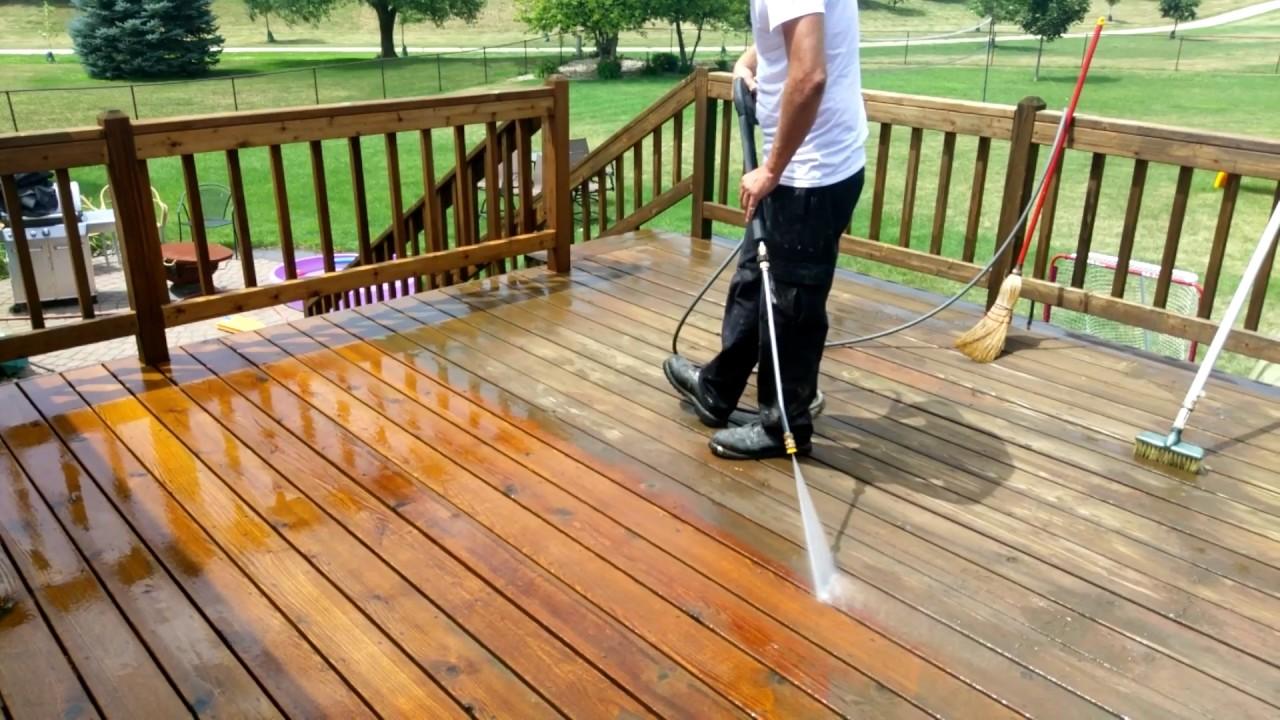
Keeping Outdoor Decks in Good Condition An outdoor deck provides a useful space for relaxing, entertaining guests, and enjoying fresh air. However, regular exposure to sunlight, rain, dirt, and everyday foot traffic can gradually affect its appearance and condition. Dust, stains, algae, and other surface buildup may make the area look neglected while creating additional maintenance concerns....
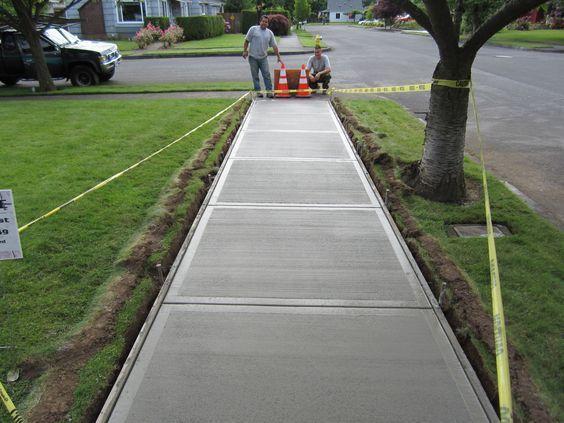
Understanding the Importance of Quality Sidewalks Sidewalks provide convenient and organized pathways for pedestrians around residential, commercial, and public properties. A properly constructed walkway makes it easier for people to reach entrances, move between outdoor areas, and navigate the surrounding space safely. Damaged or uneven surfaces can create tripping hazards, collect water, and...
Quand j'ai lancé mon premier site, je croyais qu'un article qui marchait se transformait en revenu. En lisant Net1news un soir où je cherchais justement à trier tout ça, j'ai compris que le sujet n'était pas mon audience, mais ce que les annonceurs achètent. Depuis, je regarde mes pages autrement. Le CPM, sans jargon, c'est le tarif qu'un annonceur...

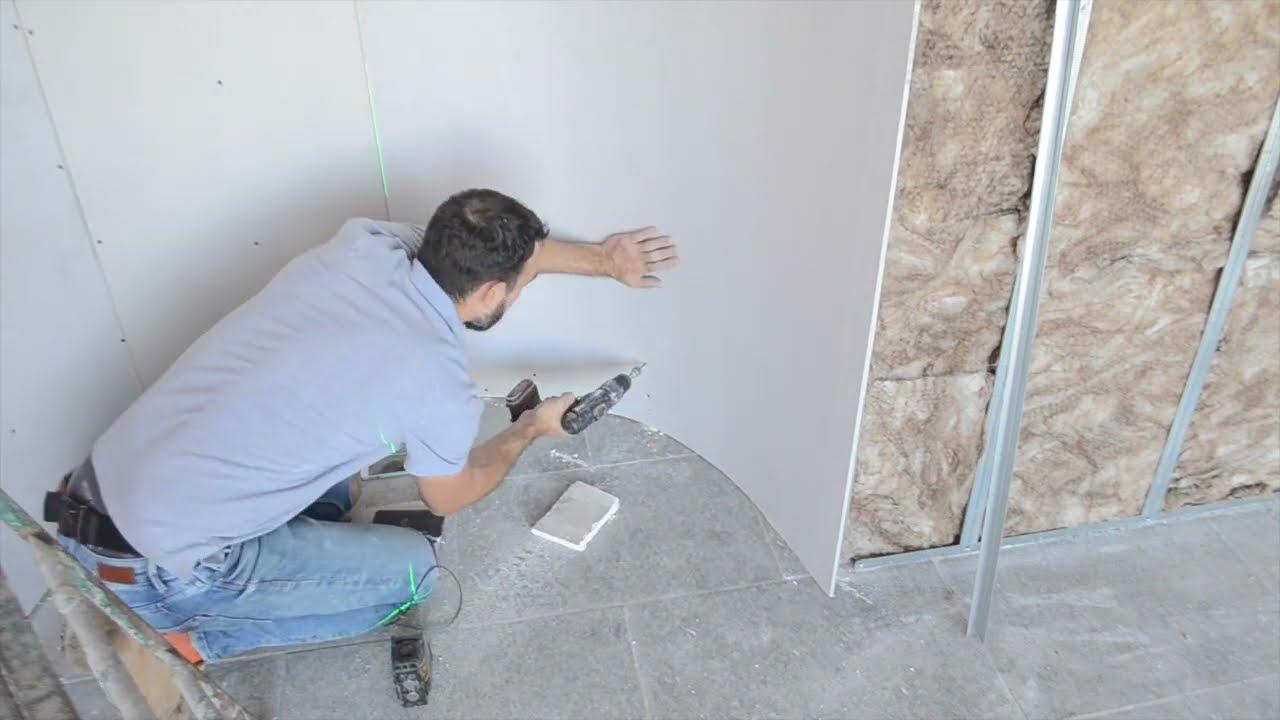
Why Quality Wall Construction Matters in Every Room Smooth, properly hung walls form the visual foundation of every room in a home or commercial building, influencing everything from paint appearance to acoustic comfort and indoor energy efficiency. When panels are poorly aligned, inadequately fastened, or rushed during taping and mudding, uneven seams, nail pops, and hairline cracks quickly...
retuqe5tysdhstdyweuhfgbvcnrtujsrtjhufngxcvnrftujrthfgnrftu