


 Gospel Preachers TV
Keeping Your Property Protected From Rodent Activity
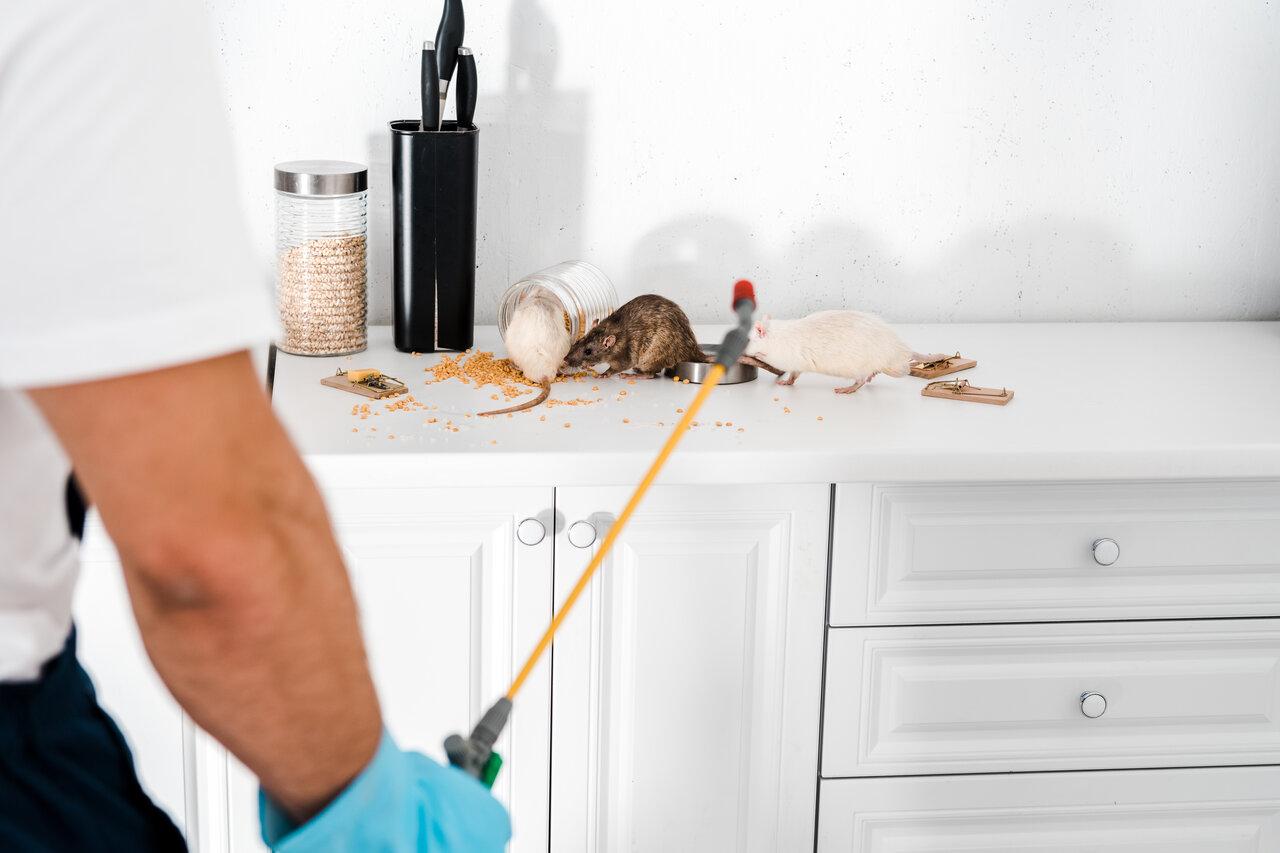
Understanding the Problems Caused by Rodents
Rodents such as mice and rats can create several problems when they enter residential or commercial properties. They may contaminate food, damage stored belongings, chew electrical wiring, and create unsanitary conditions through droppings and urine. Their ability to hide in small spaces makes infestations difficult to identify during the early stages. Once rodents find reliable access to food, water, and shelter, their populations can increase quickly. Understanding these risks helps property owners recognize why timely inspection and treatment are important.
Identifying the Need for Professional Assistance
Rodent problems can become difficult to manage when animals establish nesting areas inside walls, attics, storage spaces, or other concealed locations. Professional Rodent Pest Control Services in Miramar FL can help identify the type of pest, locate signs of activity, and determine an appropriate control strategy. A thorough assessment considers the property's layout, possible entry points, food sources, and nesting conditions. This approach helps address the underlying reasons rodents are present instead of focusing only on the animals that are immediately visible.
Recognizing Common Signs of Rodent Activity
Several clues may indicate that rodents are active inside a building. Small droppings near cabinets, along walls, or inside storage areas are common warning signs. Scratching sounds behind walls or above ceilings may suggest movement in hidden spaces, especially during quieter hours. Gnaw marks on packaging, furniture, insulation, and wiring can also indicate an infestation. Some properties may have a noticeable musty odor near nesting locations. Recognizing these signs early allows property owners to arrange an inspection before the problem spreads.
Finding Entry Points Around the Property
Rodents can enter buildings through surprisingly small openings. Gaps around pipes, damaged door seals, cracks in exterior walls, roof openings, and spaces around utility lines may provide access. Mice can squeeze through very narrow gaps, while rats may use larger structural openings or damaged drainage areas. A careful inspection should include the foundation, garage, roofline, vents, and areas where building materials meet. Identifying these access points is essential because untreated openings can allow rodents to return even after an infestation has been reduced.
Understanding Rodent Nesting and Feeding Habits
Rodents generally prefer areas that offer protection, warmth, and convenient access to food and water. Attics, wall cavities, basements, garages, and cluttered storage rooms can provide suitable nesting locations. Kitchens and food storage areas may attract them when supplies are left uncovered or waste containers are not properly secured. Rodents can also travel along walls and behind furniture to avoid open spaces. Understanding their habits helps determine where inspections and control measures should be concentrated.
Selecting an Appropriate Treatment Strategy
Effective rodent management depends on the size of the infestation, the species involved, and the property's conditions. Treatment may involve strategically placed traps, approved control products, monitoring devices, and exclusion measures. Each method has specific placement and safety requirements, particularly in buildings where children or pets are present. Professional evaluation helps determine which options are suitable and how they should be used. A treatment plan should also include steps for addressing food sources and access points to reduce the chance of recurring activity.
Combining Rodent Management With Broader Pest Prevention
Rodents are only one type of unwanted pest that may affect a property. Local Pest Control in Miramar FL can help address other pest concerns through inspection, identification, and appropriate treatment methods. A broader prevention plan may consider insects, nesting conditions, moisture problems, and exterior areas that attract unwanted activity. However, different pests require different control strategies, so each problem should be evaluated individually. Consistent monitoring and proper sanitation can support a cleaner and more manageable indoor environment.
Improving Sanitation and Storage Practices
Clean surroundings can make a property less attractive to rodents. Food should be stored in sealed containers, and spills or crumbs should be cleaned promptly. Garbage bins should have secure lids and should be emptied regularly. Pet food should not remain exposed overnight, while outdoor waste and fallen fruit should be managed appropriately. Reducing clutter in garages, utility rooms, and storage spaces also removes potential hiding places. These habits support professional treatment and make future inspections easier.
Preventing Rodents From Returning
Exclusion is an important part of long-term rodent prevention. Small gaps should be sealed with suitable materials, damaged screens should be repaired, and door sweeps should fit properly. Vegetation and stored materials should be kept away from exterior walls where practical. Regularly checking attics, garages, utility openings, and storage areas can help reveal new signs of activity. Property owners should also address plumbing leaks and moisture issues that may provide rodents with additional resources.
Maintaining a Rodent-Free Environment
Long-term rodent control requires a combination of inspection, appropriate treatment, sanitation, and property maintenance. Removing visible rodents without addressing their entry points or nesting conditions may allow the problem to return. Monitoring vulnerable areas and responding quickly to new signs can help limit future activity. Professional guidance is useful when infestations are persistent, widespread, or difficult to locate. With consistent preventive practices and attention to building conditions, property owners can better protect their spaces from rodent-related damage and contamination.
Categorii
Citeste mai mult
Un visiteur décide en quelques secondes, avant même d'avoir vu la cuisine. C'est injuste, mais c'est comme ça, et travaux avant une mise en vente en parle très bien. Je l'ai vérifié cent fois avec des acheteurs qui ressortaient en disant « je ne sais pas, je ne le sens pas ». La première impression commence sur le palier. Une porte...

The Aces combat the Mercury inside a few of their 4 conferences this year, which includes equally within August While Las Vegas was within the midst of compiling its 16-activity profitable streak toward conclusion the regular monthly period. It's tied with the minute-longest streak within league record with the 2014 Aces are manufacturing their fourth Finals visual appeal in just 6 a long time....

Falling behind on mortgage payments can create financial pressure and uncertainty for Virginia homeowners. Whether you are dealing with job loss, unexpected expenses, divorce, or other financial difficulties, the possibility of losing your home through foreclosure can be overwhelming. However, you may have options to sell your property before the foreclosure process moves further. If you are...

The Rolling Stock Market size is expected to reach US$ 48.4 Billion by 2033 from US$ 33.5 Billion in 2025. The market is estimated to record a CAGR of 4.70% from 2026 to 2033. Senior management should treat the market as a portfolio-allocation problem. The relevant question is where product, channel, and service resources can create a defendable position rather than simply participating in a...

Understanding Why Flat Tires Happen A flat tire can interrupt a trip without warning and leave drivers unsure about what to do next. Sharp objects, damaged road surfaces, worn tread, valve problems, and insufficient air pressure are common causes. Even a relatively small puncture can lead to a loss of pressure that makes driving unsafe. Recognizing the problem early and responding carefully can...